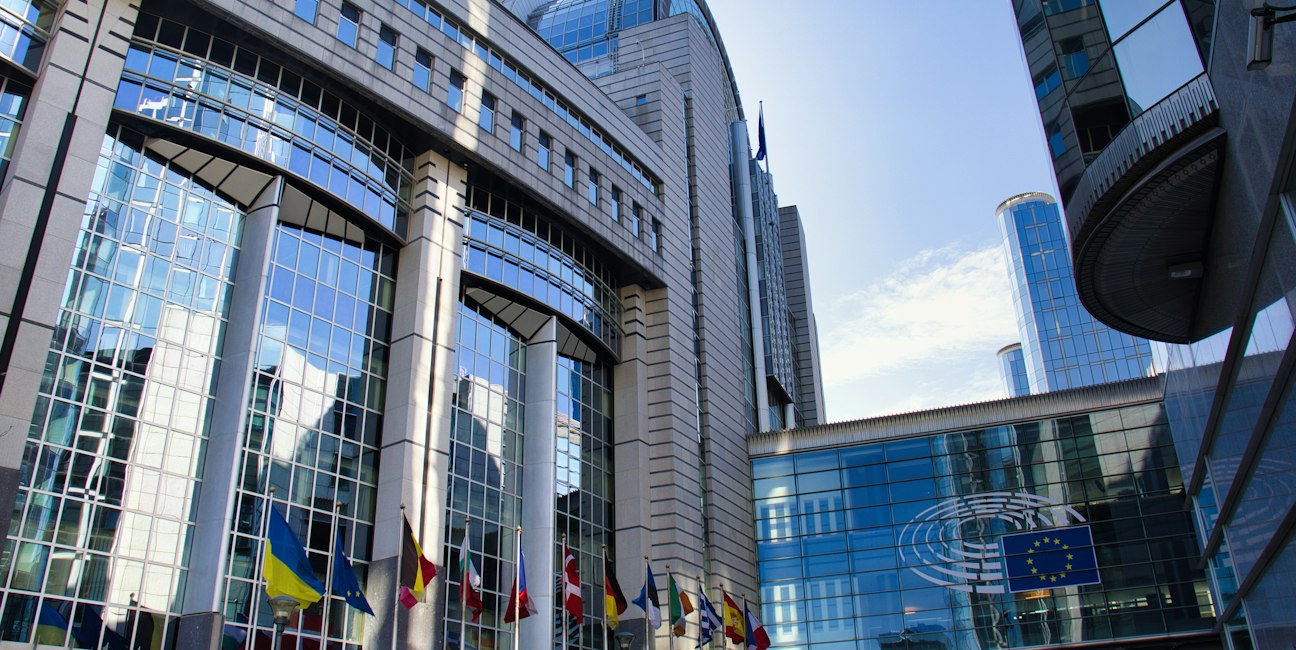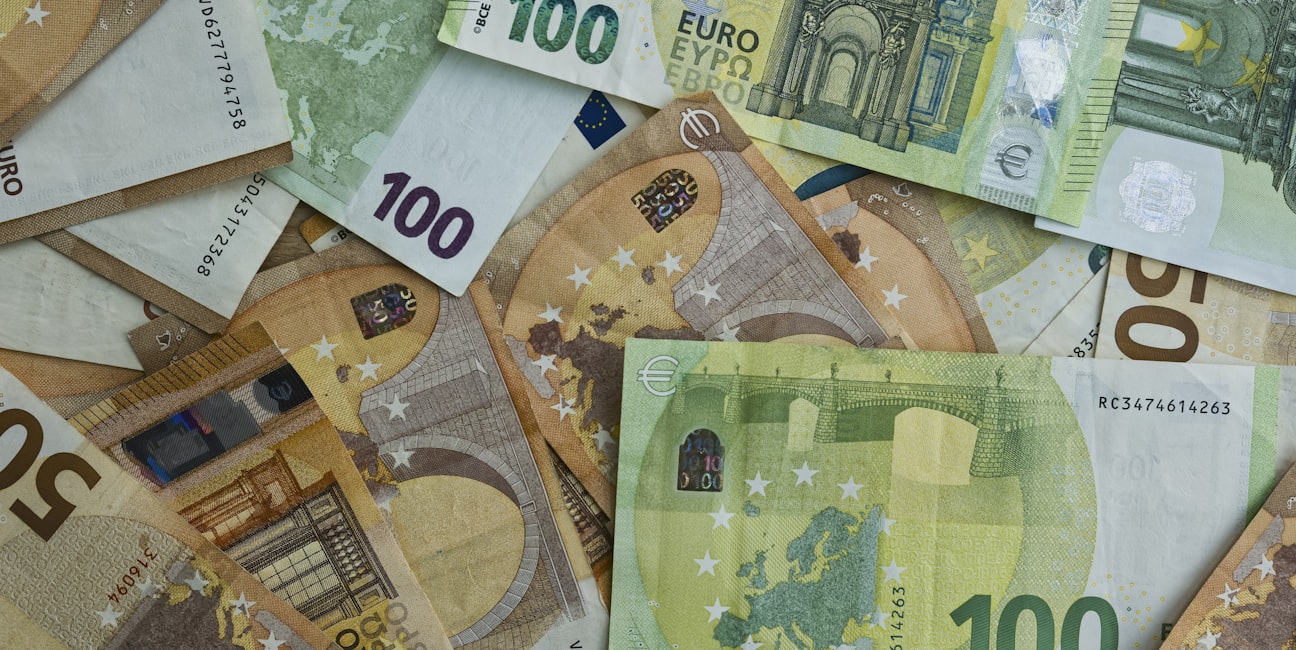
After two years of slow, bad-tempered negotiation, the digital euro has cleared its highest political hurdle yet. On 23 June, the European Parliament's economic affairs committee endorsed a negotiated text on the European Central Bank's digital currency, opening the path for the full chamber to vote in the first week of July.
The committee stage is where EU legislation usually lives or dies. Getting a cross-party majority behind a single text means the hardest bargaining is largely done.
The compromise answers the questions that had stalled the file. The digital euro would function both online and offline. Offline payments — settled device-to-device, without an internet connection — would be free, and at least initially limited to smaller transactions between individuals or at a shop's payment terminal. Crucially for retailers, merchants would pay no more to accept a digital euro than they currently pay for card payments.
Privacy was the other sticking point. Offline payments are designed to behave like cash, leaving no data trail. Online payments would offer more features but carry the tracking that comes with any electronic transfer.
Much of the drama centred on one man: Fernando Navarrete, the Spanish centre-right MEP steering the file. Navarrete had initially argued the digital euro should launch as a stripped-down, offline, cash-like tool, with broader online functions held back unless private European payment options failed to materialise. He has since dropped that condition and now backs a fuller version, having assembled a majority behind it.
"This is an important milestone in moving the digital euro forward and anchoring it firmly in the democratic debate," Lagarde said.
For the central bank, the project is about control. Most electronic payments in the euro area run through American networks such as Visa and Mastercard, and the rise of dollar-backed stablecoins threatens to pull European savers further onto US-built rails. A public digital currency, the ECB argues, would give the bloc a sovereign payment option that no foreign company or government could switch off.
Banks see a different risk. If people can park money directly at the central bank, deposits could drain out of commercial lenders in a crisis. That is why the holding limit — the cap on how much digital cash any individual can keep — is the fight that matters most, and the one negotiators have left for the final stretch.
A committee vote is not a law. The full Parliament is expected to vote between 6 and 9 July, after which the text goes into three-way talks with the Council of member states and the Commission, where the holding limit and the balance between banks and the central bank will be reopened. Even then, no digital euro reaches wallets until the ECB's Governing Council decides to issue one. But after years of stalling, Europe has, for the first time, a credible timetable for putting public money on the phone — and a clearer sense of who it is really competing with.