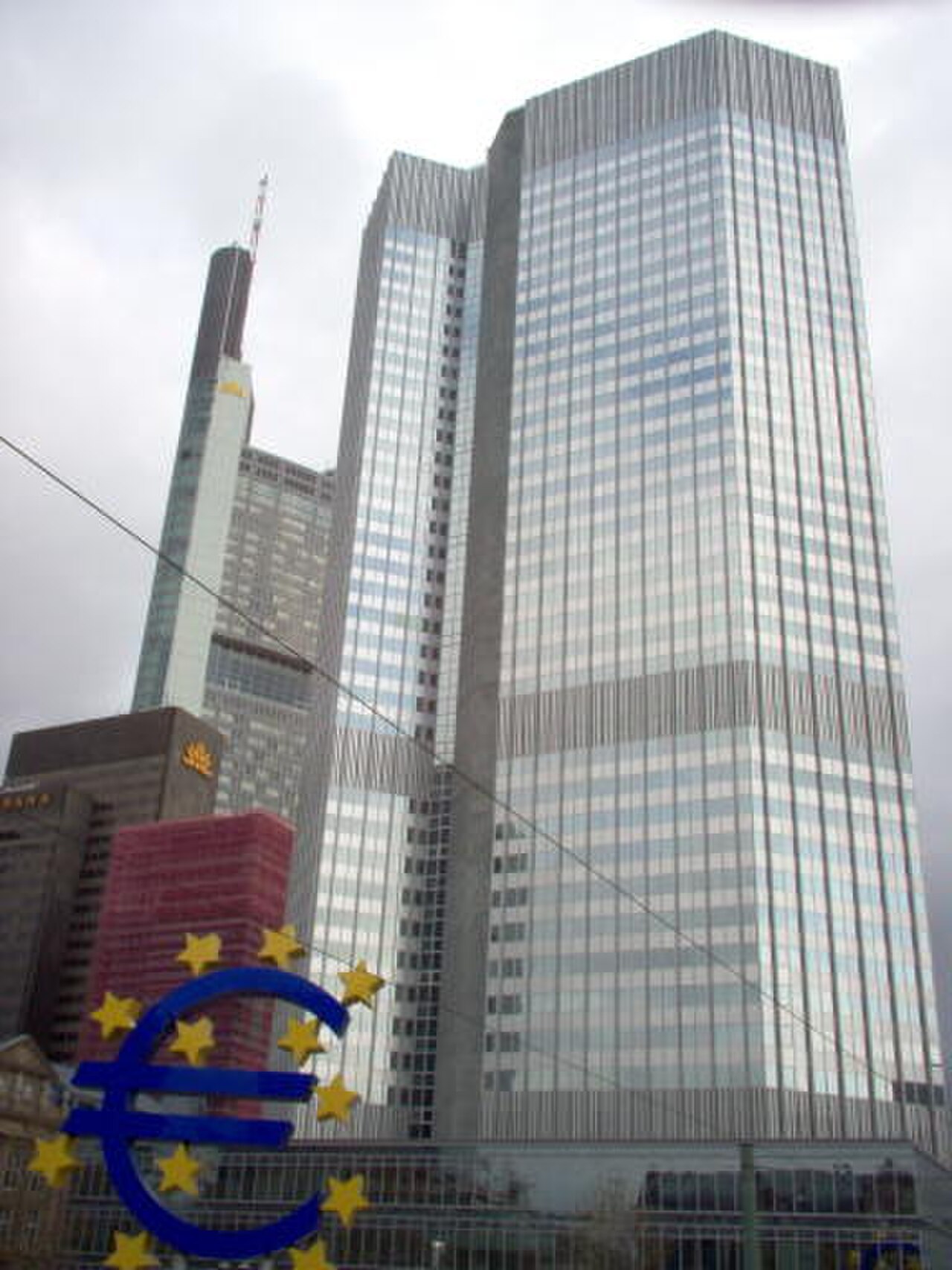
Europe's central bank digital currency just moved from blueprint to trial run. On 14 July, the European Central Bank named 36 payment service providers to help pilot the digital euro, choosing them from more than 50 that applied after a call for interest in March.
The selected group is deliberately mixed: traditional lenders, digital banks and payment specialists of varying sizes, spread across the currency union. Among them are some of Europe's biggest names in finance — Deutsche Bank, UniCredit, Revolut, Adyen and Stripe.
Working with the ECB and 19 of the euro area's national central banks, the providers will run a 12-month testing exercise beginning in the second half of 2027. Staff at the participating central banks will make beta digital-euro payments in real-world settings — person to person, both online and offline, and person to business, at physical tills and in e-commerce.
"The strong market interest in the pilot shows the private sector's readiness to engage actively and quickly advance with the digital euro project to strengthen the European payments landscape," said Piero Cipollone, the ECB executive board member who chairs the project.
The digital euro is, at heart, a sovereignty play. European card payments lean heavily on American networks like Visa and Mastercard, and the rise of dollar-backed stablecoins has sharpened fears that the continent could lose control of its own money rails. A central-bank-issued digital currency, usable across the euro area, is meant to be the home-grown alternative.
The project drew a notable endorsement this week from the International Monetary Fund, whose board said the digital euro "could enhance payments efficiency and deepen financial integration" as part of a broader push to strengthen the single market. A final decision on whether to actually issue the currency still rests with the ECB's governing council and, ultimately, EU lawmakers.
Naming the pilot firms turns a long-running policy debate into something concrete — real companies, real timelines, real payments. But the hard questions are still unanswered: how much money citizens will be allowed to hold in digital euros, what it means for banks' deposits, and whether Europeans will actually use it when cards and apps already work fine. The 2027 pilot will start to answer them. For now, Europe has committed to building the plumbing for monetary sovereignty — even if it has not yet decided to switch it on.