The European Union is finalising its 21st package of Russia sanctions, keeping the oil price cap frozen at $60 per barrel and imposing the bloc's first-ever restrictions on Russian liquefied natural gas. More than 20 additional shadow fleet tankers are being blacklisted as enforcement steps up — underscored by France seizing a Russian shadow fleet vessel off Brittany on June 1.
Russia’s oil revenues have funded its military campaign in Ukraine through two years of Western sanctions. Plugging the holes has proven harder than imposing the restrictions. The 21st package represents the EU’s most sustained effort yet to tighten enforcement rather than simply add names to a list — and it comes at a moment when energy markets are unusually volatile, giving Brussels additional leverage over the cap level.
The decision to freeze the price cap at $60 — rather than raise it — reflects calculations that have shifted significantly since early 2026. A proposal to lift the ceiling to $65 was under discussion for several weeks, backed by arguments that the current cap was reducing the market appeal of sanctioned Russian crude and pushing some buyers toward non-G7 intermediaries. But the escalation of the Iran-Israel conflict and accompanying oil price volatility reversed those arguments. With Brent crude already elevated, maintaining the $60 cap sends a clearer signal of intent: any Russian windfall from energy market disruptions will be absorbed by the price constraint, not passed through to Moscow’s budget.
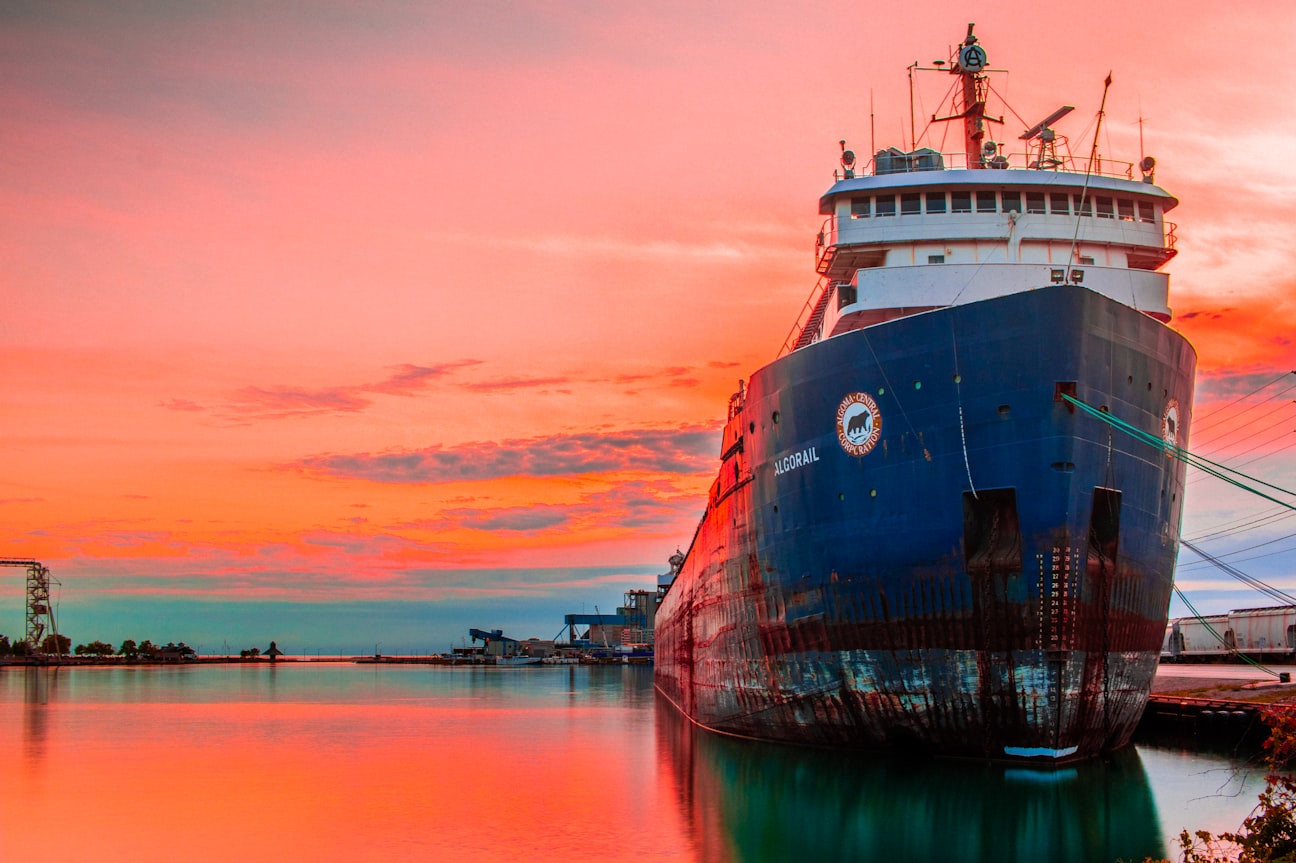
Enforcement is the harder challenge. More than 20 additional vessels are being added to the shadow fleet blacklist, raising the total to well over 300 ships that can no longer access EU ports, EU insurance, or EU maritime services. A French action on June 1 — intercepting a tanker operating under an ambiguous flag of convenience in the Bay of Biscay — gave the package a dramatic enforcement demonstration before the ink was dry. The seizure, carried out under EU legal authority, is the kind of physical action that complemented earlier diplomatic-level sanctions.
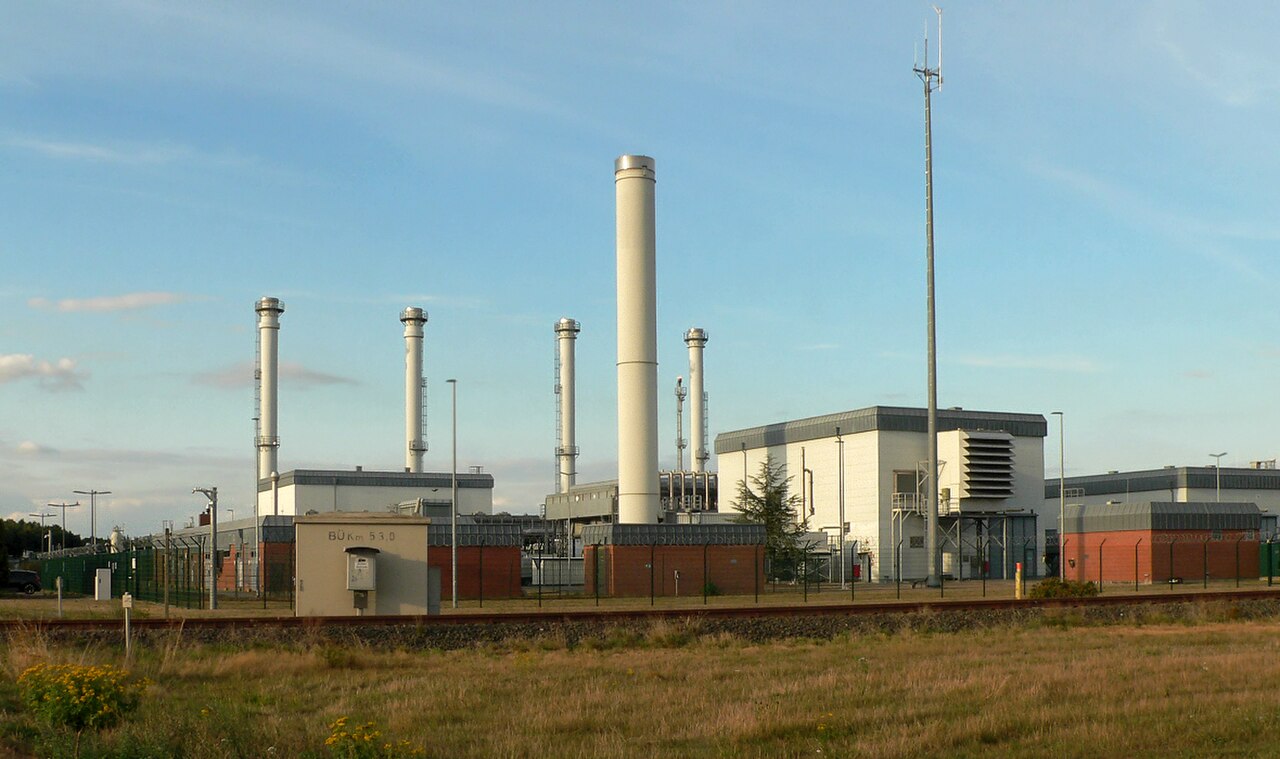
The most significant policy development in the 21st package is the LNG provision. For more than a year, EU members with long-term Russian LNG contracts — notably Belgium, France, and Spain — blocked proposals to directly restrict Russian liquefied natural gas, citing energy security concerns and contractual obligations. That resistance has now broken. The package includes a ban on LNG re-exports through EU ports to third countries, cutting off Russia’s use of European terminals as transshipment hubs, and a timeline for winding down existing supply contracts. LNG restrictions do not take effect immediately — transition periods are built in — but the legal framework is now in place, which matters enormously for contracting decisions by European utilities looking five years ahead.
Russian LNG has continued flowing to Europe at scale even as pipeline gas from Russia was largely replaced. Yamal LNG in particular has supplied the Belgian Zeebrugge and French Montoir-de-Bretagne terminals. The new restrictions will not stop all of those flows overnight, but they signal to the market that this supply route has a definite expiry date.
The 21st package matters less for any single measure than for its cumulative direction. The oil price cap is no longer a mechanism that gets loosened as prices move; it is being used as a hard ceiling. The shadow fleet blacklist has passed 300 vessels and is now being enforced with seizures, not just designations. And LNG — the one major Russian energy export that survived earlier rounds — has now been formally brought inside the sanctions architecture. The consistent message is that the EU is moving from sanction-as-statement to sanction-as-enforcement. Whether that shift is fast enough to matter for Ukraine’s battlefield situation is a separate question, but it represents a substantive hardening of the economic pressure campaign against Moscow.