

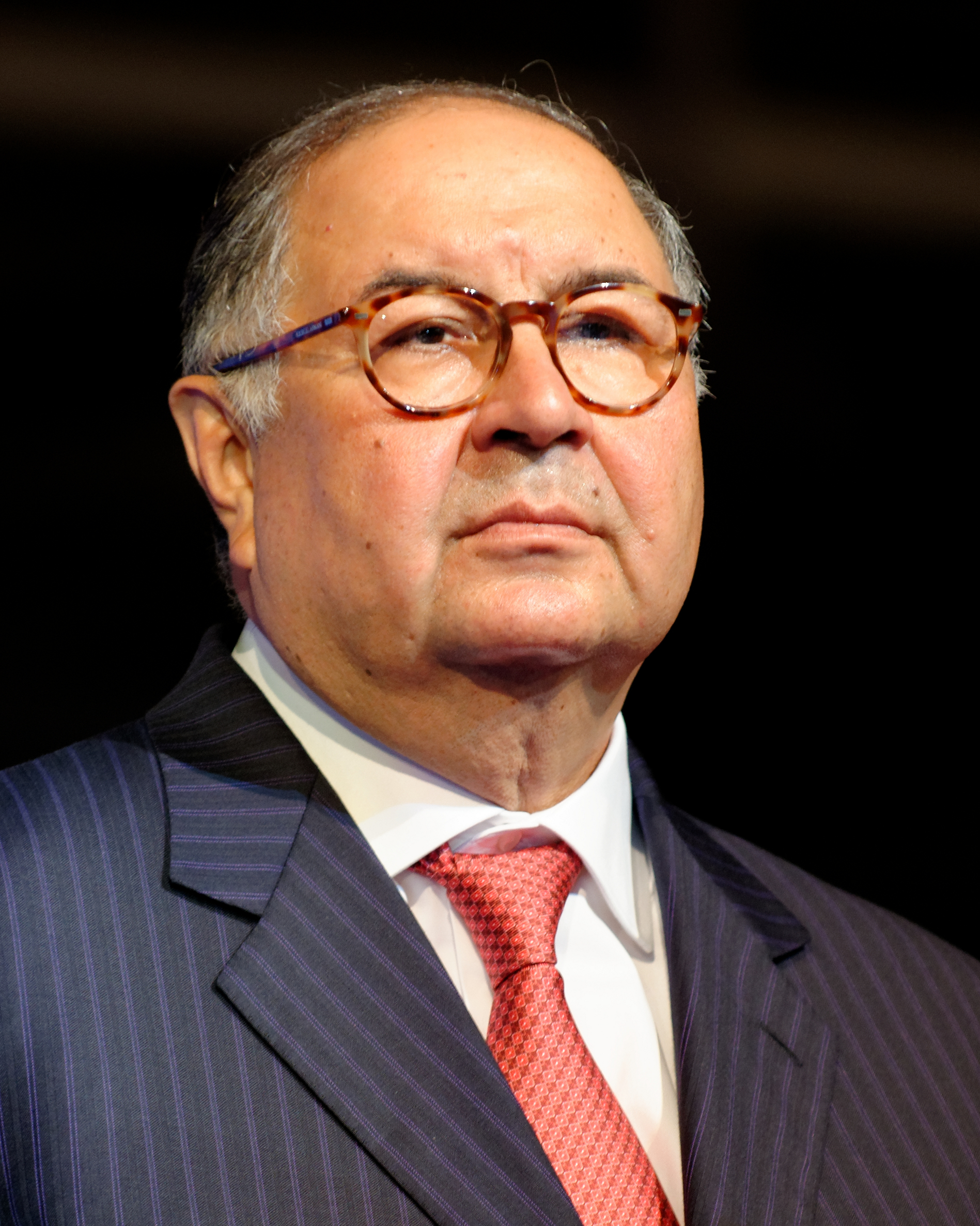
The European Union's sanctions on more than 2,500 Russian individuals and companies were due to expire at midnight on Tuesday. They did not, but only because EU ambassadors could not agree on anything better than a one-week stay of execution. The listings now run to midnight on 22 September. Between now and then, the 27 governments have to resolve a demand from France and Slovakia that would have been unthinkable in Brussels a fortnight ago: take Alisher Usmanov off the list.
The EU's individual sanctions regime against Russia needs unanimous renewal every six months. For four years that has been a formality, occasionally delayed by Hungary. This time the obstruction came from two directions at once.
Slovakia's position was known. Robert Fico's government has for months argued that Usmanov and Mikhail Fridman should be delisted, and it confirmed on Friday that it wants both names gone. A letter from Turkish President Recep Tayyip Erdoğan to Fico, dated 2 March and published earlier this year, asked for Slovak help in ending what Erdoğan called the "unfair practice" against Usmanov, and noted that Azerbaijan, Kazakhstan, Kyrgyzstan and Uzbekistan supported his removal.
France's position was not known. Paris joined Bratislava on Friday without public explanation, to the surprise of other delegations. French officials spoke of national security interests and requests from international partners. The partner, it emerged over the weekend, is Azerbaijan: France wants Usmanov's delisting as part of an arrangement to secure the release of French nationals held in Baku, where at least one Frenchman is serving a ten-year sentence on espionage charges. The French government has declined to comment.
One diplomat described the French approach as a quid pro quo that amounted to a veto of a common position, the kind of tactic Brussels associates with Viktor Orbán rather than with Emmanuel Macron. Another official put it more bluntly: France "isn't for budging, but it would send the absolute wrong message at the wrong time."
The Irish Presidency of the Council tried a compromise first: renew the whole list for six months instead of twelve, in exchange for both countries dropping their delisting demands. That failed. When ambassadors met on Monday, the choice was between letting the regime lapse and buying time. They bought time, by written procedure, extending every listing for seven days.
"Consultations will continue," a spokesperson for the Presidency said. "The renewal of the lists is essential to continue damaging Russia's war machine and maintaining pressure on those individuals and entities that support, facilitate and benefit from it."
The manoeuvre keeps the sanctions alive but does nothing to resolve the dispute. As one official asked: "I'm not sure what will change in a week."
The danger of a one-week window is that it invites bids. Italy and Croatia have indicated they could live with delisting Usmanov if that is the price of keeping the other 2,500-plus names in place. On Monday Luxembourg added a request of its own: remove Fridman as well. The Grand Duchy has a direct interest. Fridman has filed a claim of some €15 billion against Luxembourg over the freezing of his assets there. The other member states rejected that request.
The legal record complicates the politics. Usmanov has been listed since the first days of the full-scale invasion in February 2022, when the Council cited his close ties to Vladimir Putin and his interests in key sectors of the Russian economy. He denies the allegations and is pursuing an appeal at the Court of Justice. Fridman's original listing, covering February 2022 to March 2023, was annulled by the General Court in April 2024, although he remained on the list under later renewals. Both men have the money and the lawyers to test every delisting decision, and every refusal.
Volodymyr Zelensky did not wait for the outcome. On Saturday he called the delay "immoral and self-destructive". In his evening address on Monday he was more specific. "This is definitely not the time to lift sanctions, to rescue Russian oligarchs from them, and definitely not the time for Europe to give Russia gifts," he said, naming both Usmanov and Fridman. Neither man, he added, had made any move against the war.
The timing is awkward for the EU in another way. The same week that ambassadors are haggling over two billionaires, the bloc is confronting a Russian drone strike on a train near the Polish border, a second fire at a Bulgarian ammunition depot, a drone shot down over Lithuania and, according to NATO, more than 200 hybrid incidents in Europe in 2025 alone.
The substance of the dispute is two names out of nearly 3,000. The precedent is the problem. If France can trade a sanctions listing for a consular outcome in a third country, every capital with a citizen in a foreign jail has learned something about how the list works. If Slovakia can hold a four-year-old regime hostage twice a year, unanimity has become a bargaining chip rather than a safeguard. And if the answer on 22 September is to delist Usmanov as the least bad option, the EU will have shown Moscow, and every sanctioned oligarch's legal team, that the list is negotiable under pressure. The alternative, letting the regime lapse entirely for want of agreement on two men, is worse still. That is why most diplomats expect a deal by Monday, and why few of them expect to like it.




.png)


