The European Union is trying to turn money into influence over Gaza's future. At the second meeting of the Palestine Donor Group in Brussels, the European Commission launched a "Team Gaza Initiative" bundling €883.6 million to pay for the enclave's early recovery, and signalled it intends to be a lead financier of whatever comes after the war.
The initiative, unveiled by Commissioner for the Mediterranean Dubravka Šuica, who co-chaired the meeting with Palestinian Authority Prime Minister Mohammad Mustafa, pulls together contributions from the Commission and a long list of governments, among them Spain, Germany, France, Italy, the Netherlands, the UK, Norway, Japan and Switzerland, alongside the European Investment Bank and the World Bank. Australia and Canada are expected to join.
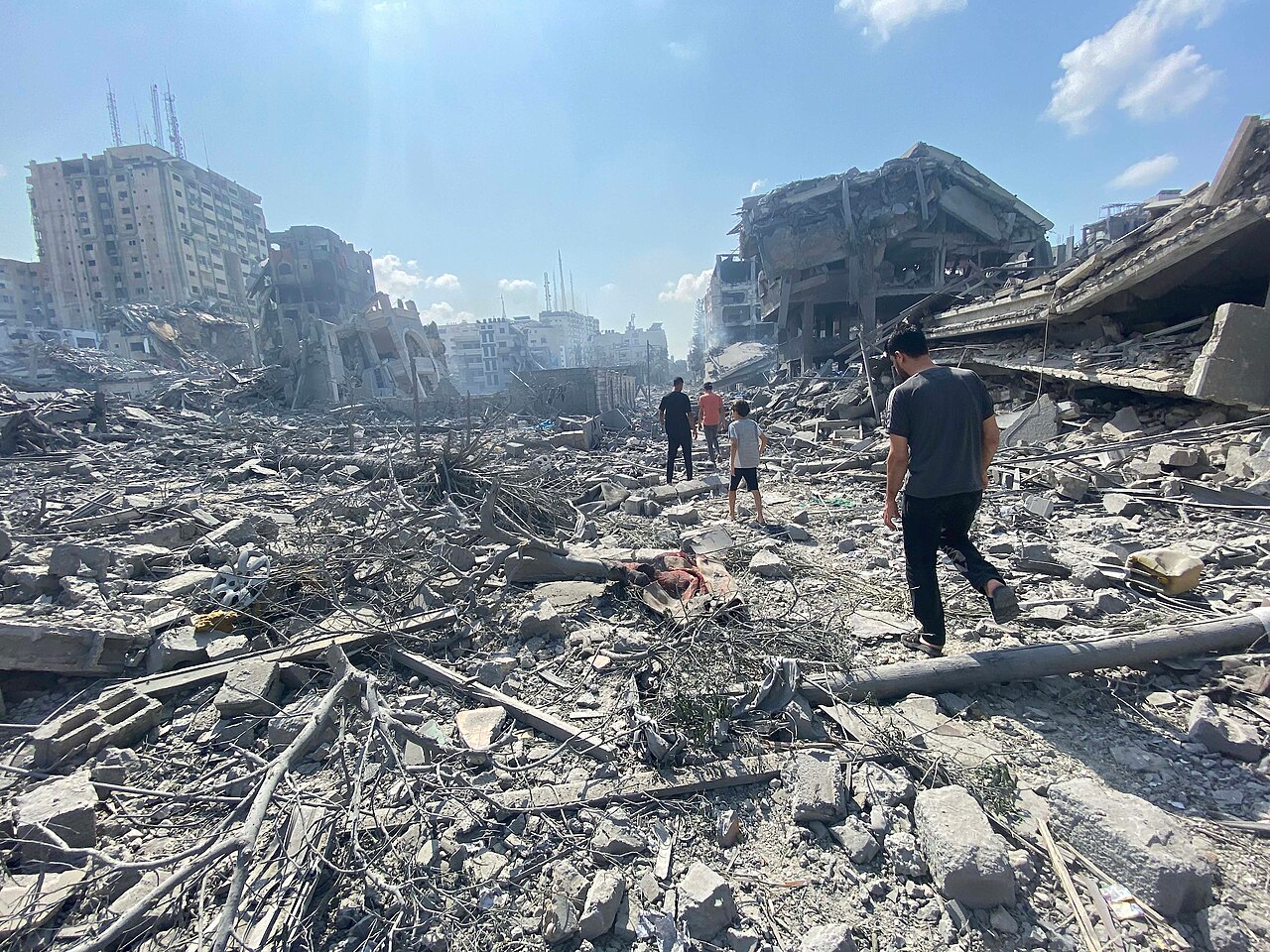
The money targets the basics of a functioning society: restoring water and sanitation, clearing debris and solid waste, and rebuilding health, energy, agriculture and food systems. It is rooted in the Rapid Damage and Needs Assessment produced by the EU, the UN and the World Bank in April 2026, which sized the scale of destruction. Šuica said she had also reached agreement with Israeli authorities on next steps for two major water and waste projects inside Gaza.
Alongside the headline initiative, the EU and several member states signed €41.7 million in new contribution agreements through PEGASE, the bloc's mechanism for channelling funds to the Palestinian Authority, on top of €310 million the Commission has already committed for 2026 and 2027.
None of it is unconditional. The Commission is explicit that support is linked to the Palestinian Authority's reform agenda, delivered against a jointly agreed "Reform Matrix." The gathering was the first attended by Nikolay Mladenov, the High Representative of the internationally established Board of Peace, and by Ali Shaath, who heads the committee set to administer Gaza, both signals that a governance structure for the day after is starting to take shape.
The EU has often been a paymaster in the Middle East and a bystander in its diplomacy. By convening 65 delegations and putting close to €900 million on the table, Brussels is trying to convert financial weight into a seat at the table where Gaza's reconstruction and governance are decided, in line with the Gaza peace plan and UN Security Council Resolution 2803.
Reconstruction is leverage, and the EU knows it. Whoever funds Gaza's recovery will help shape who governs it and under what rules, and the bloc is betting that early, conditional money buys a voice in those decisions. The risk is familiar: pledges are easier than disbursement, and aid tied to reform only works if the reforms materialise and if conditions on the ground allow the projects to proceed. For now, the EU has bought itself relevance. Turning that into influence is the harder part.