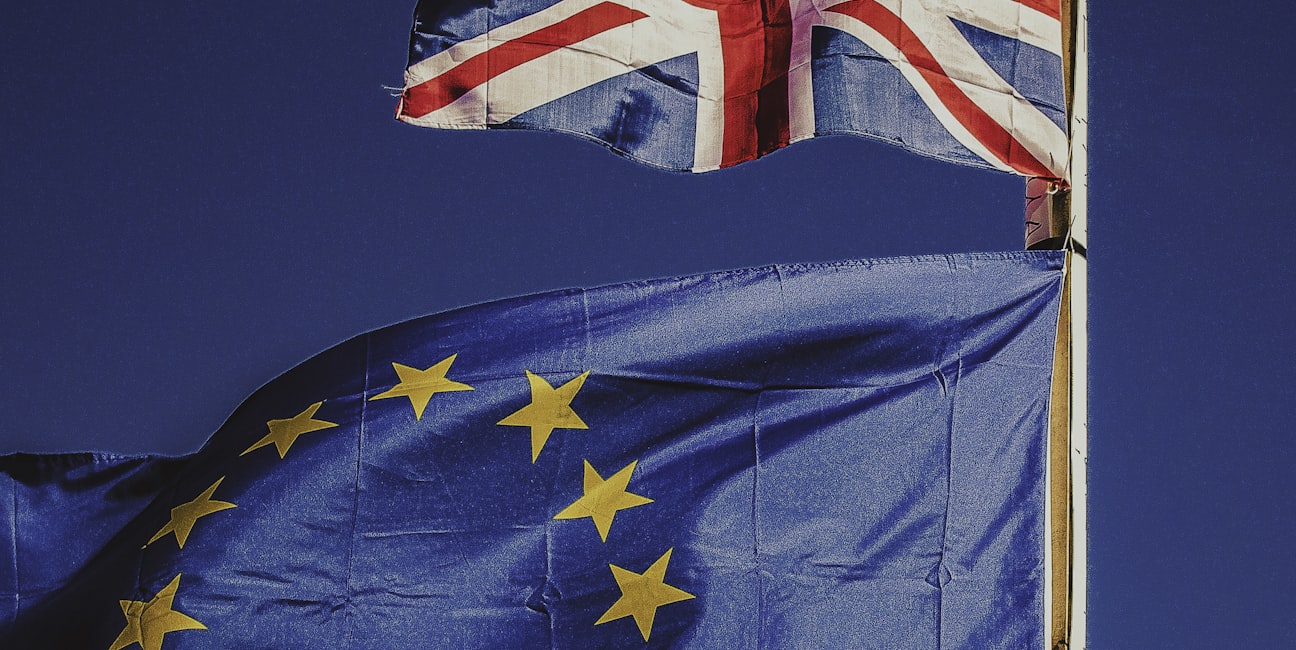
The careful rebuilding of relations between London and Brussels has just hit a wall in Westminster. The EU's planned summit with the United Kingdom, pencilled in for 22 July, is off — at least for now — after Keir Starmer announced he would step down as prime minister. Brussels is now waiting to see who takes over before deciding when, or whether, to reconvene.
The annual EU-UK gathering had been fixed for 22 July only last week, after weeks of delay. Starmer's resignation undid that almost immediately. European Council President António Costa was blunt: “For sure we need to postpone it, but we are reassessing the opportunity to hold this new summit.” He added that he hoped Starmer's successor “will give continuity on this path to reset our relationship with the UK.”
The tributes were warmer than the diplomacy. Commission President Ursula von der Leyen wrote that “it can take many leaders years to grow into the statesman you became in just two years,” a nod to Starmer's role in thawing a relationship that had been frozen since Brexit.
The postponed summit was meant to bank real progress. On the agenda were a veterinary and food-standards deal to ease border checks on agri-food trade, a link-up between the EU and UK emissions-trading systems, and a youth-mobility scheme letting young people live and work across the Channel. Those talks built on the first post-Brexit summit in May 2025, which produced a new UK-EU Strategic Partnership and a Security and Defence Partnership. With no date, that momentum now stalls.
Starmer stepped aside under sustained pressure from Labour MPs, many alarmed by the rise of Reform UK and a bruising set of May council results. The runaway favourite to replace him is Andy Burnham, the former Greater Manchester mayor who only recently returned to Parliament. Nominations to lead Labour open in early July, and a successor is likely to be in place by September.
For Brussels, Burnham is something of an unknown quantity. He has said he would like to see the UK rejoin the EU “in my lifetime,” but has also pledged to honour Labour's promise not to re-enter the single market or customs union in this parliament. EU officials will want to know which instinct governs once he is in Downing Street.
The timing is hard to miss. The postponement falls on the tenth anniversary of the June 2016 referendum that took Britain out of the EU. A decade on, the relationship is being rebuilt slowly and on narrow, technical terms — and even that modest reset is now hostage to a leadership contest in London.
The reset has direction but no signature. Costa's message — postpone, but preserve continuity — signals that the EU still wants the deals on food, carbon and youth mobility, and is prepared to wait for a stable counterpart rather than rush a lame-duck government. The risk is drift: a UK leadership race running into September pushes any summit toward autumn, and a new prime minister may want to reopen terms his predecessor had all but closed. For now, the EU's posture is patience. Whether Burnham rewards it, or tests the bloc's red lines, will shape the next phase of the post-Brexit relationship.