The diplomatic framework Washington built to end the war in Ukraine has effectively stalled. With Secretary of State Marco Rubio admitting that US peace efforts have “stagnated,” Kyiv is now turning to Brussels — asking the EU to take on a direct mediating role for the first time since the full-scale invasion began.
Rubio’s acknowledgement marks a significant reversal. The “Board of Peace” — the Trump administration’s shorthand for its Ukraine-Russia mediation track — was the centrepiece of its early foreign policy ambitions. But Washington’s attention has shifted sharply toward the confrontation with Iran, and the bandwidth to run a parallel European theatre negotiation has narrowed accordingly.
The practical result is a war without active American-led mediation. Ceasefire proposals have not advanced. The contact lines have barely moved. And the political will in Washington to press Russia toward concessions — never robust — has receded further.
Ukraine’s Foreign Minister, Andriy Sybiha, has made the ask explicit. Kyiv has proposed that the EU take on a direct role in brokering an “airport ceasefire” — a confidence-building measure under which both sides would halt attacks on civilian airport infrastructure. It is the most specific and actionable diplomatic request Ukraine has directed at Brussels since 2022.
The significance is twofold. First, it represents a strategic recalibration by Kyiv — an acknowledgement that the US track is dormant and that Europe needs to step forward. Second, the airport ceasefire proposal is deliberately limited in scope, designed to be achievable and verifiable without requiring Russia to recognise any territorial settlement. It is a door Kyiv is leaving open for the EU to walk through.
EU Council President António Costa confirmed that European leaders are interested in pursuing their own direct engagement with Moscow. But unified EU action faces a significant structural obstacle: foreign policy decisions require unanimity, and member states remain divided on how assertively to deal with Russia.
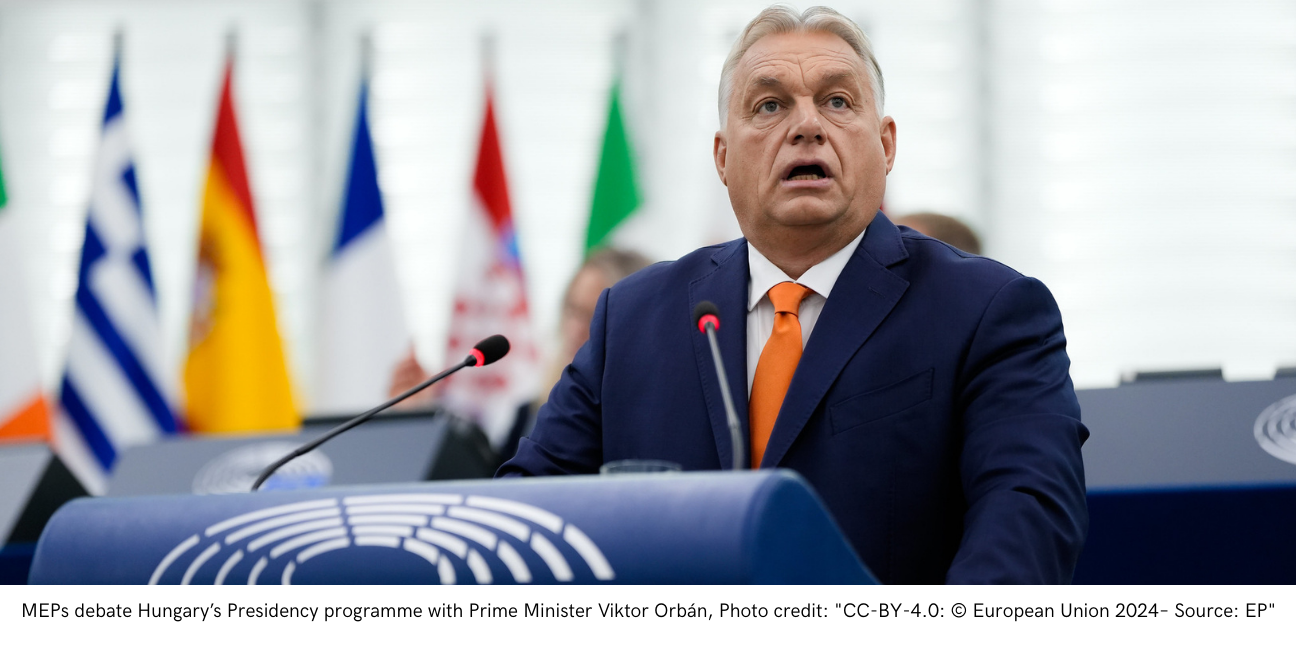
Russia has consistently exploited those divisions. Hungary’s Viktor Orbán has run his own back-channel to Moscow for years. France has historically favoured direct engagement, while the Baltic states and Poland oppose any framework that could be read as legitimising Russian territorial gains. For Brussels, forging a common position on peace talks is a domestic political challenge before it is a diplomatic one.
Still, the shift in Ukraine’s posture matters. Kyiv is not simply asking for weapons or money — it is asking Europe to take political ownership of the peace process itself. That is a new kind of ask, and one that will test whether the EU’s collective foreign policy machinery is capable of rising to the moment. So far, Brussels has offered solidarity. Now it is being asked to offer something harder: leadership.