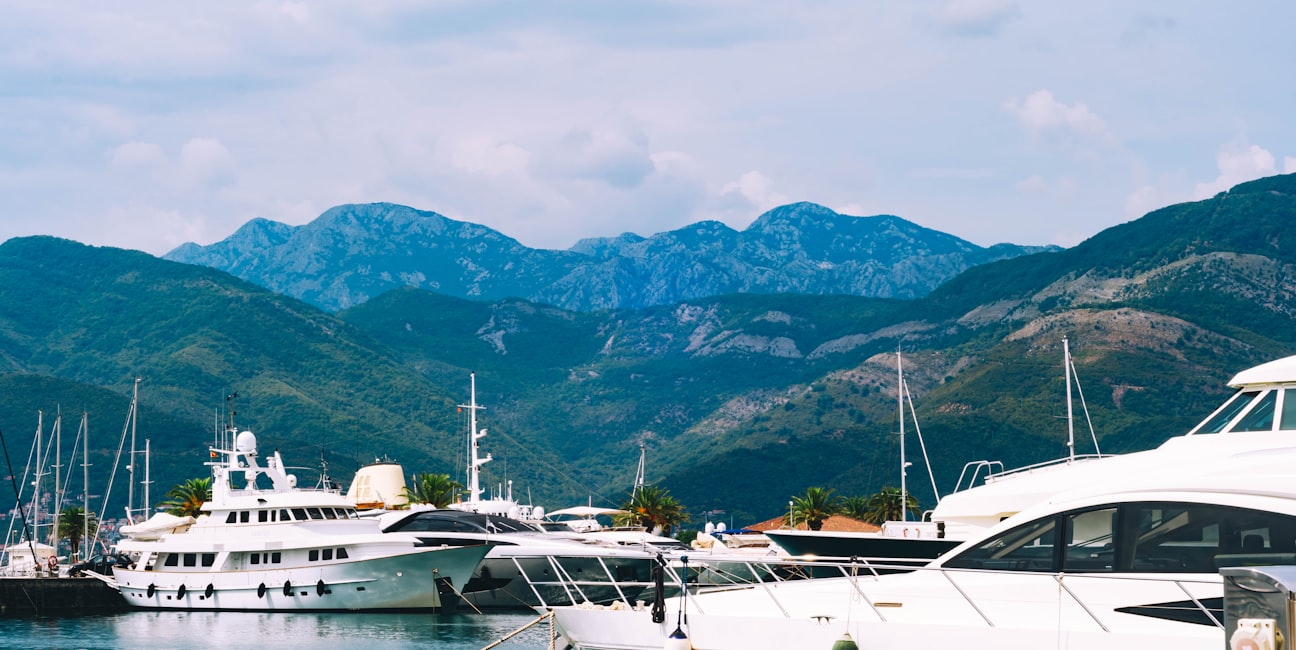
The EU-Western Balkans summit has not always been an event that moves the needle. For most of the past decade, the twice-yearly gatherings produced communiqués that restated commitments without advancing them. Thursday's edition in Tivat, Montenegro feels different — not because the structural obstacles to enlargement have disappeared, but because the political weight attending the meeting has visibly changed.
Ursula von der Leyen, Emmanuel Macron, and German Chancellor Friedrich Merz are all in Tivat — a level of political engagement that signals enlargement has moved from an aspirational project to a live priority. European Council President António Costa arrives having spent the past week touring all six Western Balkans capitals: Serbia, Montenegro, North Macedonia, Albania, Bosnia-Herzegovina, and Kosovo.
Montenegro and Albania are currently regarded as the frontrunners. Montenegro opened accession negotiations in 2012 and has provisionally closed more chapters than any other candidate country, though rule-of-law reforms — particularly on judicial independence and organised crime — remain incomplete. Albania opened negotiations in 2020 and has since made faster progress than many in Brussels anticipated.
Serbia, the largest candidate by population and economic weight, is in a more complicated position. The government's political crackdown on protest movements earlier this year has generated unusually direct criticism from EU officials, who have made clear that Belgrade's accession pace depends heavily on its domestic democratic trajectory.
The renewed urgency behind Western Balkans enlargement is partly strategic. Russia's presence in the region — through energy ties, political networks in Belgrade, and disinformation operations — gives Brussels a stronger incentive to anchor these countries firmly within the EU orbit. Chinese infrastructure investment via Belt and Road adds another layer of competition for regional alignment. Von der Leyen is expected to announce a new enlargement acceleration package in Tivat, including additional pre-accession funding and a streamlined chapter assessment mechanism.
The question for the Tivat summit is not whether the EU is serious about Western Balkans enlargement — the attendance list already answers that. The question is whether political will translates into a concrete timetable that candidate countries can hold Brussels to. Enlargement has a long history of generating political momentum that dissolves in Council negotiations. If Tivat sets specific benchmarks and indicative dates, it will have achieved more than the previous ten editions combined. If it produces another communiqué full of reaffirmed commitments, the credibility cost compounds further.