For the first time since the Cold War, Europe is rearming in earnest. NATO's European members increased defence spending by around a fifth in 2025 and have signed up to a new alliance target of 5% of GDP by 2035 — 3.5% for core defence, 1.5% for related infrastructure. France has raised its 2026 defence budget to €68.5 billion, about 2.25% of GDP. Germany's is projected to hit €117 billion this year and to keep climbing toward €162 billion by the end of the decade. The political will that was missing for a generation has arrived, backed by cash.
And yet the harder Europe pushes, the clearer it becomes that spending is the simple part. The difficult question — the one that has dogged European defence for decades — is whether all that money buys a genuinely European capability, or twenty-seven national ones that do not fit together.
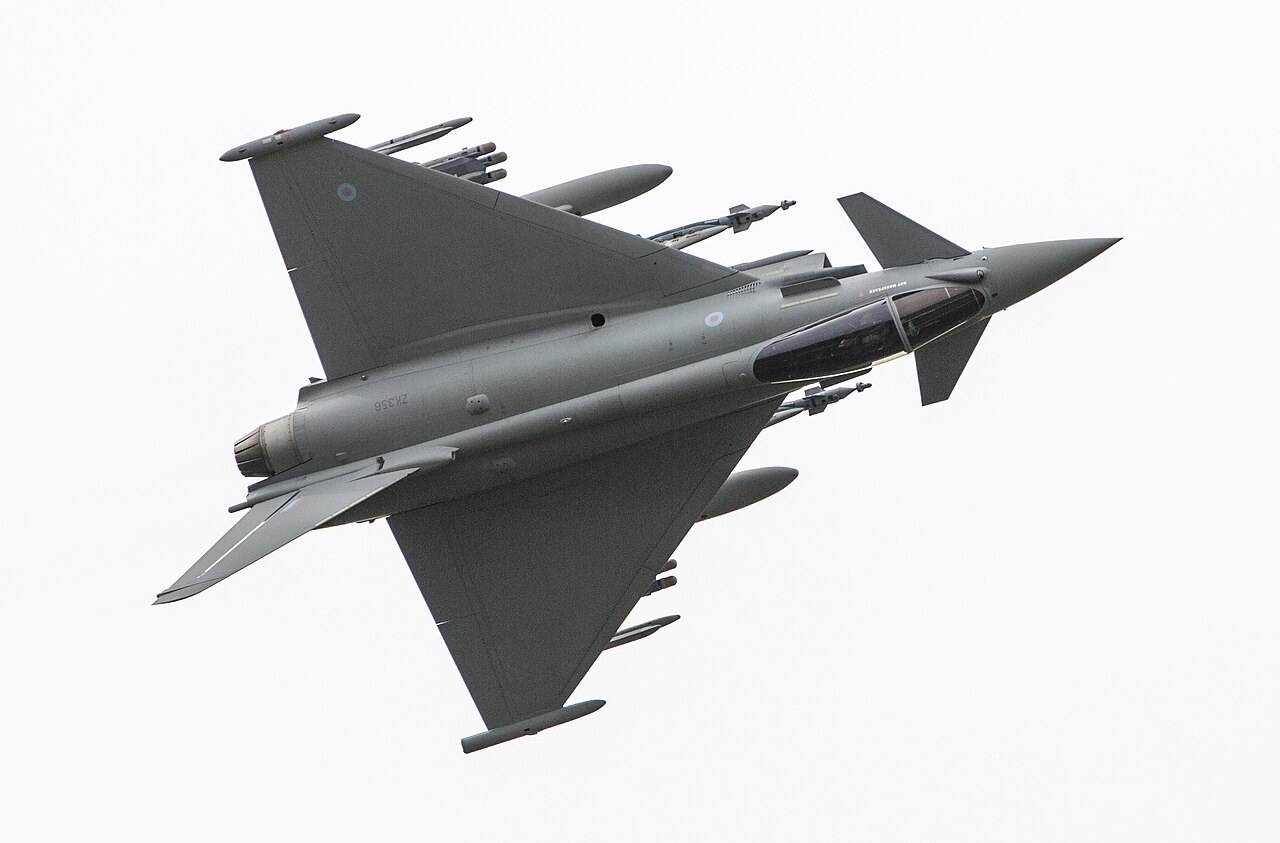
The cautionary tale arrived in June. The Future Combat Air System — FCAS, the €100 billion Franco-German-Spanish project to build a sixth-generation fighter — collapsed after nine years without a single prototype. The cause was not money or technology but control: Dassault and Airbus could never agree who would lead, and their governments could not force them to. Germany has since pivoted toward Britain, Italy and Japan's rival GCAP programme, which at least has a binding governance structure and equal workshare. A Franco-German ministerial council in mid-July was left trying to salvage something smaller — drones, a “combat cloud” — from the wreckage.
It was the sharpest illustration yet of a problem EU Insider has followed all year: Europe's defence industry is organised around national champions that answer to national politics, not to the continent's collective needs. When leaders talk about “strategic autonomy,” this is the gap they are trying to close — and FCAS shows how wide it still is.
The strain is starting to show inside NATO itself. As Washington presses Europe to carry more of the load, the continent is splitting into camps: one that sees European defence as a project to be built inside NATO under American cover, and another, led from Paris, that treats real autonomy as the only insurance against an unreliable United States. The Franco-German rivalry over FCAS was a symptom of that deeper divide, not merely an industrial squabble.
Ukraine sits awkwardly across the fault line. The war has done more than any summit to forge a common European defence posture — a point EU Insider has made in tracking the argument that Kyiv, not Brussels, has become the continent's operational defence pillar. Ukraine's forces are the most battle-tested in Europe, its drone industry among the most advanced, and the flow of European money and matériel eastward has become the one defence project every capital agrees on.
Europe has solved the easy half of its defence problem. The budgets are real, the political taboo on rearmament is broken, and the 5% target gives capitals a number to march toward. The unsolved half is harder and older: turning national spending into shared capability. FCAS is the warning of what happens when that fails — a decade and a fortune spent on a jet that never flew. The next test is whether Germany's tilt to GCAP, France's pursuit of autonomy, and the hard lessons coming out of Ukraine push Europe toward genuine integration, or simply toward more expensive duplication. On the current evidence, the continent is very good at deciding to spend, and still not good at deciding to build together. That, more than any budget line, is the measure of whether Europe's rearmament amounts to real power.