Germany has approved the most expansive budget in its recent history, and it runs almost entirely on borrowed money. On 6 July, the cabinet of Chancellor Friedrich Merz signed off on a 2027 draft budget worth €555.4 billion — some €30 billion more than this year — underpinned by €203.6 billion in fresh debt. For a country that spent two decades lecturing the rest of the eurozone on fiscal discipline, it is a striking reversal.
The plan still needs parliament's approval, and the Bundestag will spend the autumn picking it apart. But the direction is set: Berlin intends to spend heavily, borrow heavily, and worry about the bill later.
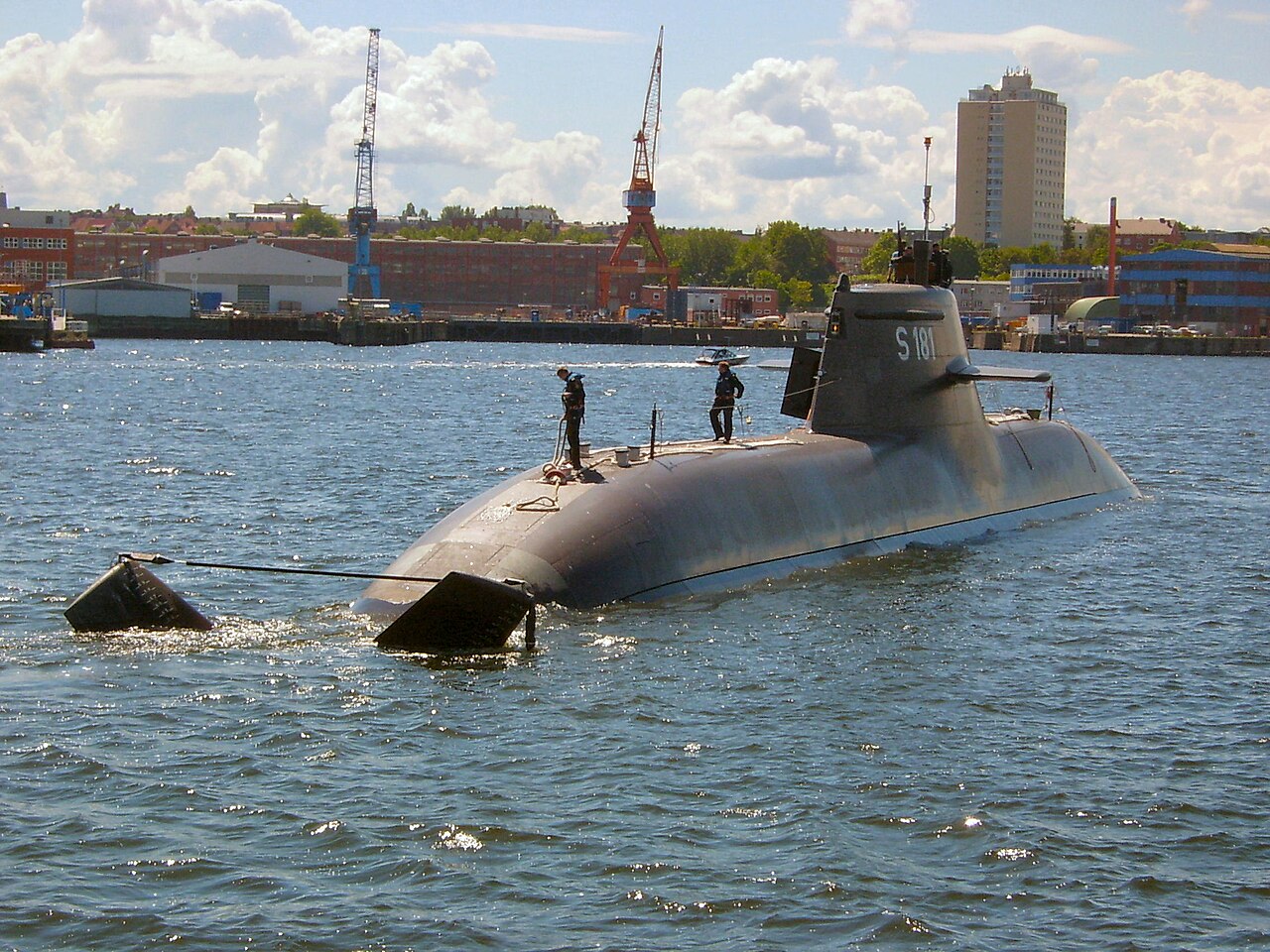
The single biggest driver is the military. The defence ministry is set to receive about €109.7 billion in 2027, a jump of almost a third on this year. Add military aid to Ukraine and other security spending and the total climbs to roughly €130 billion. It is the clearest sign yet that the rearmament Germany promised after Russia's full-scale invasion of Ukraine is now being written into hard budget lines.
The new borrowing splits into €118.7 billion in the core federal budget, €54.9 billion drawn from a special infrastructure fund, and €30 billion from a dedicated defence fund. The off-budget vehicles matter: they let the government funnel money into tanks, roads and bridges without all of it counting against the usual deficit limits.
None of this would have been legal under the rules Germany lived by until recently. The "debt brake" (Schuldenbremse), written into the constitution in 2009, caps new federal borrowing at a fraction of a percent of GDP. Merz's CDU-led coalition, governing with the Social Democrats as junior partner, pushed through changes that carve defence and infrastructure spending out from under the cap. The 2027 budget is the first full-year plan to exploit that new freedom.
Finance Minister Lars Klingbeil, the SPD leader who holds the purse strings, is casting the borrowing as an investment in growth and security rather than a splurge. His problem is arithmetic: the more Berlin borrows now, the more it owes later.
The money has to come from somewhere, and some of it is coming from places that have provoked a fight. The government plans to move billions out of a special climate and transformation fund into the regular budget, and to cut the development ministry's budget — which pays for foreign aid — by around 6 percent. The environmental group BUND accused the coalition of an "attack on climate protection." Klingbeil rejected claims that Berlin was "looting" the fund, insisting the shift was "moderate, manageable" and would have "no impact whatsoever on climate targets."
The quieter worry is interest. On current plans, Germany's debt-servicing bill is set to almost double by 2030, from €41.9 billion in 2027 to €80.7 billion — money that buys neither a tank nor a school, and grows every year the borrowing continues.
Germany is the EU's largest economy and, for years, its fiscal conscience. When Berlin borrows on this scale, it changes the terms of the whole European debate. Governments that were told for a decade that deficits were dangerous can now point to Germany doing exactly what it once warned against. That makes it politically harder for Brussels to hold anyone else to strict fiscal rules — and it steers serious money toward the EU and NATO defence targets Washington keeps pressing Europe to meet.
The gamble is that borrowed billions will haul Germany out of a two-year slump and rebuild a military hollowed out by decades of neglect. If growth returns, the debt looks affordable and Merz looks bold. If it doesn't, Germany will have traded its reputation for thrift for a rising interest bill and little to show for it. Either way, the age of German austerity is over — and the rest of Europe will feel the consequences.