Iceland votes on Saturday on whether to reopen the European Union accession negotiations it froze in December 2013 and formally abandoned in March 2015. The question is deliberately narrow — should the government restart talks — and the answer is close to a coin toss.
Around 268,000 people are eligible to vote, in a country of roughly 400,000. The referendum is consultative. A yes does not make Iceland a member; it gives the government a mandate to negotiate. Any treaty that emerged from those negotiations would face a second referendum, which Reykjavik has suggested could come as early as 2028.
Maskina's final survey, published on Wednesday, put yes on 51.3 per cent and no on 48.7 among decided voters, from around 1,000 respondents interviewed between 21 and 25 August. A Gallup poll earlier in the month had both camps level on 46 per cent with 8 per cent undecided. In a country this size, a sample of a thousand is unusually deep coverage — and it still cannot call the result.
One constituency is less ambiguous. The employers' lobby found 66 per cent of its member companies opposed to joining.
Iceland applied in July 2009, in the wreckage of its banking collapse. Talks opened a year later and moved fast. By the time a new government put the process on hold in December 2013, 27 negotiating chapters had been opened and 11 provisionally closed. In March 2015 Reykjavik told Brussels it should no longer be treated as a candidate country.
That history makes Iceland unlike every other applicant. Montenegro, Albania, Ukraine, Moldova and the rest are working towards a standard the EU sets and they do not yet meet. Iceland has already met most of it. As a member of the European Economic Area it applies a large share of single-market law today, without a vote on any of it. The EU takes about two-thirds of its exports; the United States takes 9 per cent.
Which produces the awkward arithmetic at the centre of the campaign. The economic case for joining is thin, because Iceland already has the market. What membership would add is a seat at the table where the rules it already follows get written — and a currency question it would rather not answer.
Fisheries is why the process collapsed the first time and it is the centre of gravity now. The Common Fisheries Policy obliges member states to share access to their waters. Iceland's catch dwarfs that of any current member, and the sector is the argument the no campaign never has to explain twice. Foreign Minister Thorgerdur Katrin Gunnarsdottir, a committed europhile, has said Iceland would insist on retaining sovereign control over all its fisheries — a position that is hard to reconcile with the policy as it currently stands.
Agriculture runs second. Then the krona. Joining would eventually oblige Iceland to adopt the euro, and its central bank has said that step would require deep reforms of the labour market. The krona is busy in the meantime: the policy rate went to 8 per cent on 19 August to head off a price spiral.
The variable that actually moved is security. Iceland has no armed forces. Its defence rests on NATO membership and a bilateral agreement with Washington signed in 1951. When the United States began talking openly about acquiring Greenland — a semi-autonomous part of the Kingdom of Denmark, and Iceland's neighbour — an abstract question about who guarantees a small North Atlantic state became a concrete one. Tariffs on Icelandic goods sharpened it further.
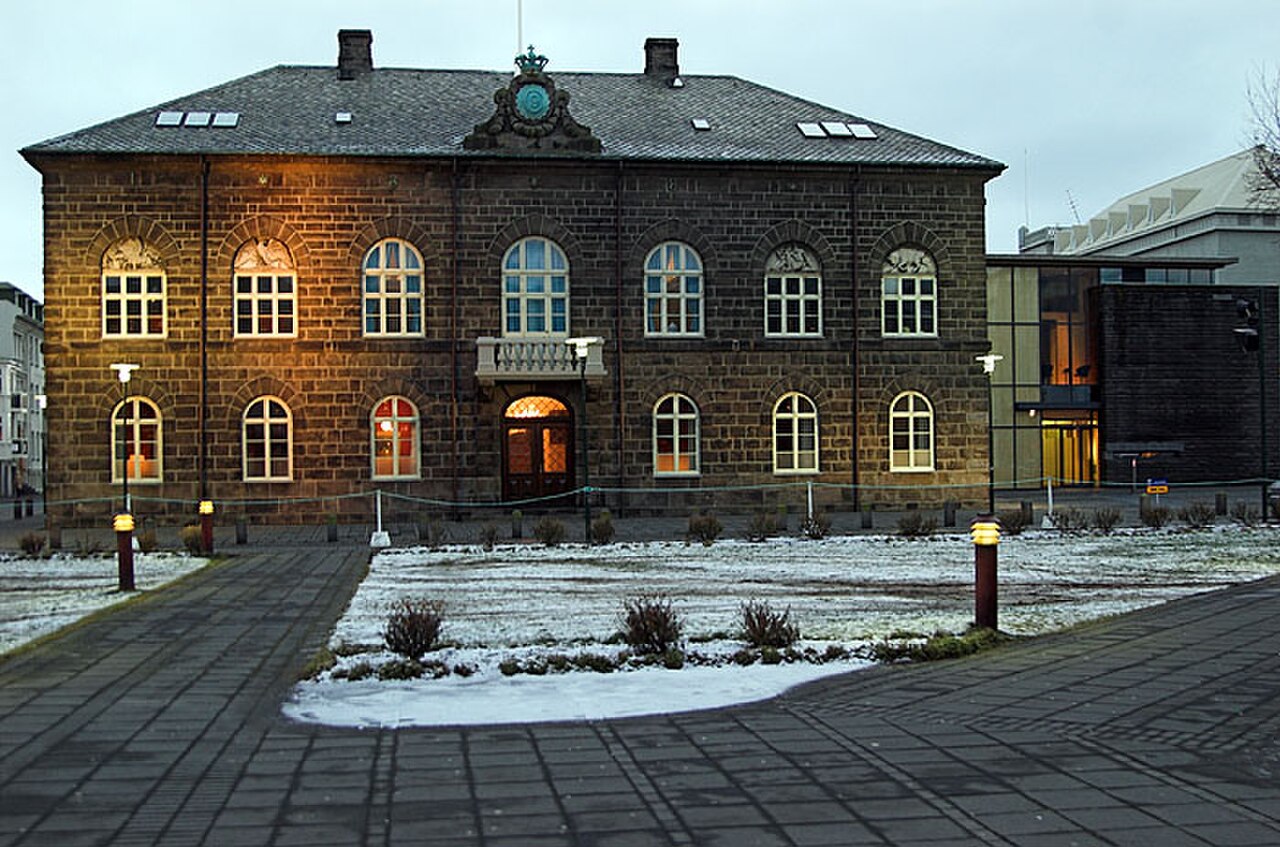
It would still be a mistake to read Saturday as a referendum on Donald Trump. During the Althingi's debates on the referendum bill, Greenland came up in a handful of interventions. Fisheries, agriculture, energy policy and the euro took the floor time. Icelanders are voting on their economy, as electorates generally do.
The EU has not admitted a member since Croatia in 2013. Thirteen years of enlargement policy have been spent on countries that are poorer, more politically contested and further from the acquis. Iceland is the inverse case: wealthy on a per capita basis, institutionally stable, already inside the single market, and holding a negotiation that is more than half done.
That is why a vote involving fewer people than live in a mid-sized European city carries more weight than it should. It tests whether the EU still has something to offer a country that does not need the money.
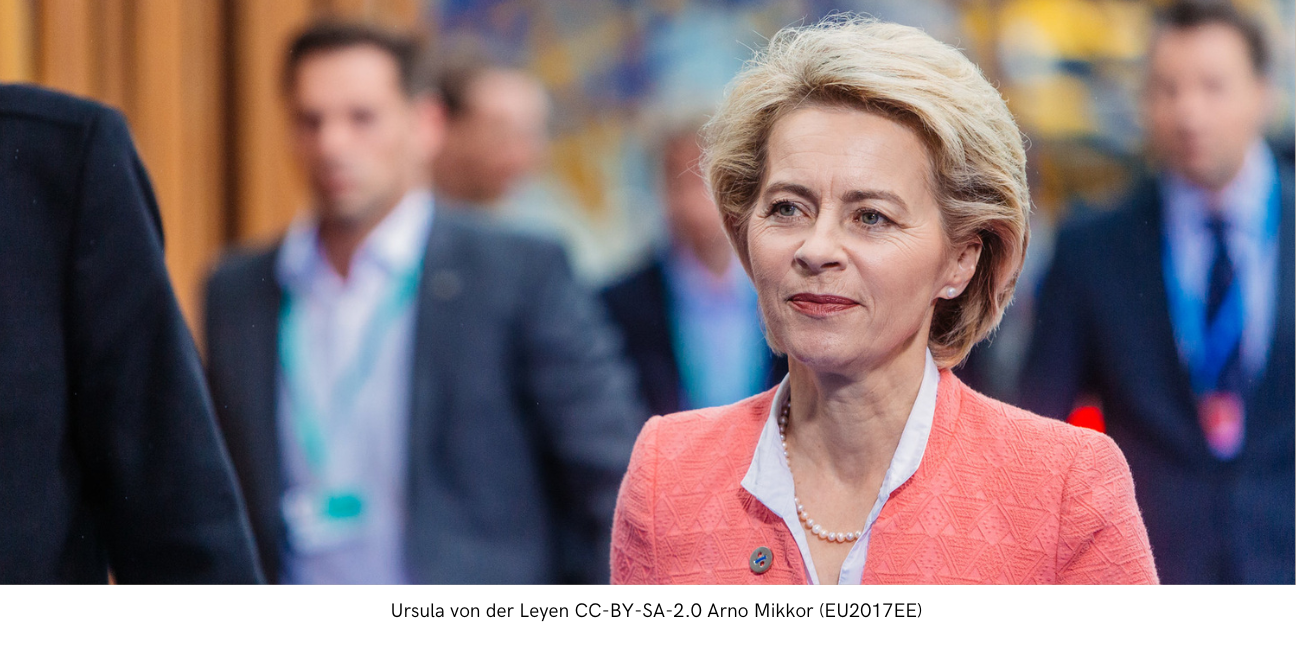
The question is being asked elsewhere, too. Sweden's prime minister Ulf Kristersson joked earlier this year about Canada joining; Finland's president Alexander Stubb went further and floated Ottawa as a potential candidate. Canada is not asking. But Prime Minister Mark Carney will attend Ursula von der Leyen's State of the Union address next month as guest of honour, and address the European Parliament while he is there.
If yes wins, nothing happens quickly. Reopening the file means reopening the fisheries chapter, and neither side has visibly moved since 2013. A yes vote buys years of negotiation and a second referendum. It does not buy a member state.
If no wins — narrowly, as the polls suggest it might — the EU loses the one enlargement prospect that would have cost it nothing and delivered a wealthy net contributor with an Arctic coastline. That is the more instructive result. Brussels spends a great deal of energy asking why poor candidates cannot meet its standards. Saturday asks a harder question: whether a country that already meets them thinks membership is worth the fish.