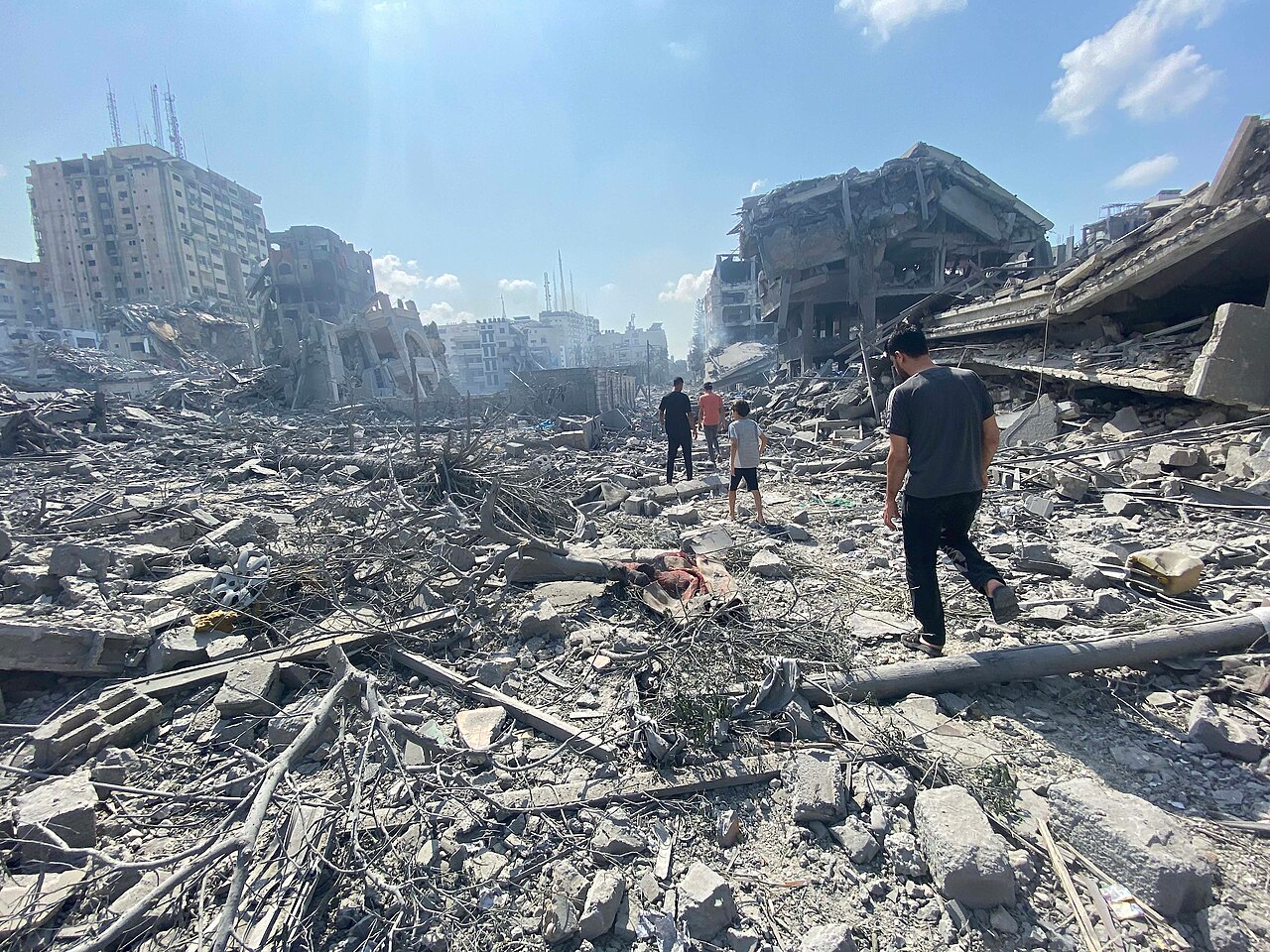
Europe didn't start this war, isn't fighting it, and had no seat at any peace table. It has still paid €24 billion extra in energy costs since the first strikes on Iran — with no additional molecules of energy to show for it.
Start from late February. US and Israeli strikes against Iran reopened the most consequential energy chokepoint on the planet: the Strait of Hormuz, through which roughly 20 million barrels of oil and petroleum products pass every day — about a fifth of global consumption — along with virtually all LNG exports from Qatar and the UAE. Shipping through the strait slowed to near-standstill within days of the first strikes.
The immediate price response was sharp. Brent crude spiked roughly 8% on the first trading morning. European gas prices jumped around 20%. By early March, Brent touched nearly $120 a barrel at its peak — an increase of over 60% from pre-war levels in a matter of weeks. That is a sharper percentage shock than the surge that followed Russia's invasion of Ukraine in 2022, compressed into a shorter timeframe and starting from a higher base.
By mid-May, the EU's own accounting delivers the story in a single line. Europe has spent an additional €24 billion on energy imports since the war began — without receiving a single additional molecule of energy, as the Commission noted in its latest guidance to member states.
Europe is not the Gulf's biggest direct customer. Asia — China, Japan, South Korea — depends far more heavily on Gulf oil flows. But oil and LNG are global markets. When the Strait of Hormuz is choked, price effects spread instantly and universally, regardless of shipping routes.
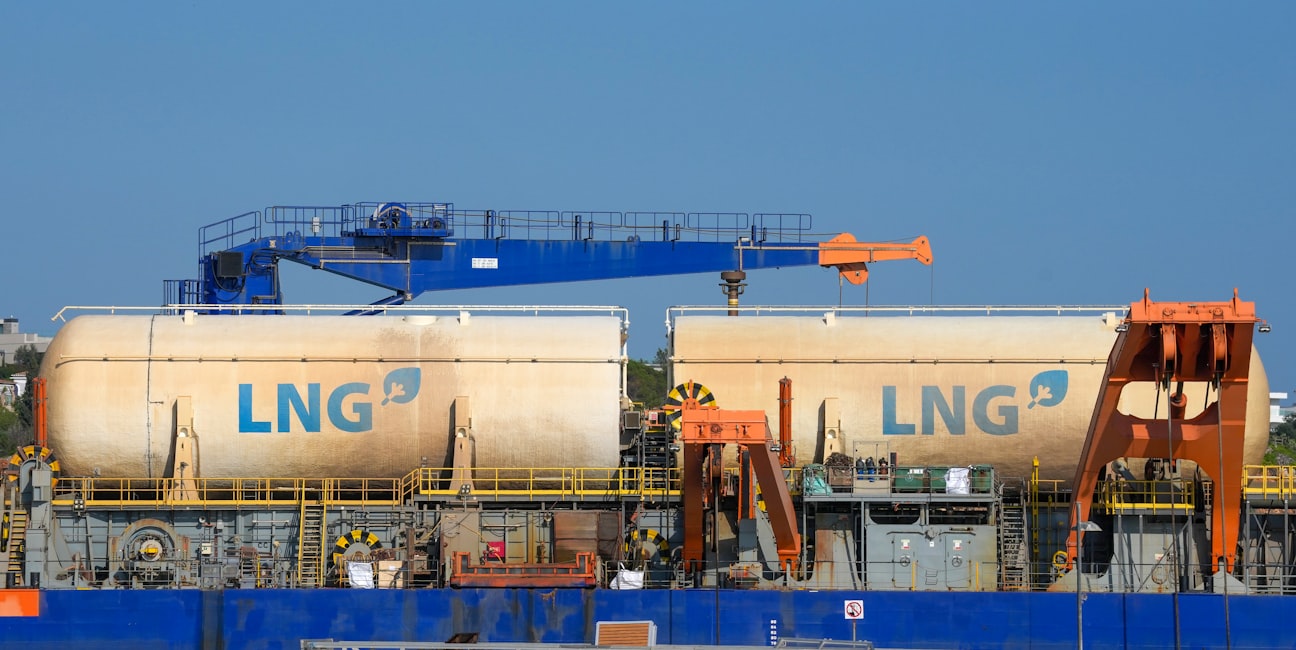
Europe's particular vulnerability runs through LNG. The continent competes on global spot markets for flexible cargoes — a dynamic tested painfully during the 2021–2023 energy crisis. When Gulf LNG tightens, European spot prices rise regardless of where ships are sailing. That pressure arrives at a difficult moment: European gas storage entered 2026 at just 46 billion cubic metres at end-February, well below the 60 bcm of a year earlier and the 77 bcm of two years ago, according to Bruegel research.
Higher energy prices transmit fast through industrial costs, transport, and consumer prices. That transmission is the heart of Europe's problem: this isn't only an energy crisis. It's a price stability crisis.
Financial markets have read it that way. European sovereign bond yields have risen across the bloc, with Germany and Italy showing the clearest moves. Short-dated yields have climbed faster than long-dated ones — a market signal that investors expect tighter near-term monetary policy. The Stoxx Europe 600, which had surged 29% in the year to late February, posted some of the heaviest losses among major global indices in the weeks that followed.
Traders have wound back their bets on European Central Bank rate cuts. Some are now pricing in hikes instead. The logic is straightforward: if energy prices sustain oil-driven inflation long enough, second-round effects — wage demands, embedded price expectations across the economy — could take hold. At that point, the ECB faces a familiar bind: raise rates to anchor expectations at the cost of choking already-fragile growth, or hold and let inflation become structural.
The European Commission's response arrived quickly. Its "AccelerateEU" toolkit is an updated version of the 2022 energy crisis playbook. It includes reducing electricity taxes to encourage switching away from oil and gas, coordinating member-state gas storage refilling to avoid competitive bidding that inflates prices, a new fertiliser action plan to reduce dependence on energy-intensive imports, and temporarily loosening state-aid rules to allow governments to subsidise up to 50% of energy price increases since the war began.
One immediate concern is jet fuel. The EU imports around 40% of its jet fuel, and roughly half of those imports transit the Strait of Hormuz. With the summer travel season approaching, the Commission is mapping alternative sourcing routes and considering minimum national jet fuel reserves. Transport Commissioner Apostolos Tzitzikostas told reporters there are "no signs of widespread flight cancellations in the coming months" — a reassurance few airlines are treating as an invitation to relax.
Energy Commissioner Dan Jørgensen's framing was less soothing. "This must be a wake-up call and a turning point," he said at a Brussels press conference. Even if diplomacy ends the conflict, he warned, the economic effects "are likely to be felt for years."
The Bruegel think tank has put the structural point most directly: Europe has, since 2022, shifted its fossil fuel dependency from Russia to other suppliers — the US chief among them. That shift has not eliminated exposure to external shocks. It has redirected it.
The Iran war is giving European policymakers a live demonstration of a problem they know well but have not solved: energy security is the floor beneath all other economic policy. When it shifts, everything shifts with it — bond yields, inflation forecasts, rate expectations, industrial margins. The €24 billion already paid is both a real cost and a signal. The transition to domestic clean energy isn't happening fast enough, and the bill for moving slowly keeps arriving unannounced.