Two years ago today, a concrete canopy fell at the railway station in Novi Sad and killed 16 people. The anger it set off ran for two years, through student blockades and mass rallies, and ended last Sunday with the defeat of the man who had run Serbia for more than a decade. Final figures from the Republic Electoral Commission now give the Student List 141 seats, one more than first reported. Vučić's list has 103, one fewer.
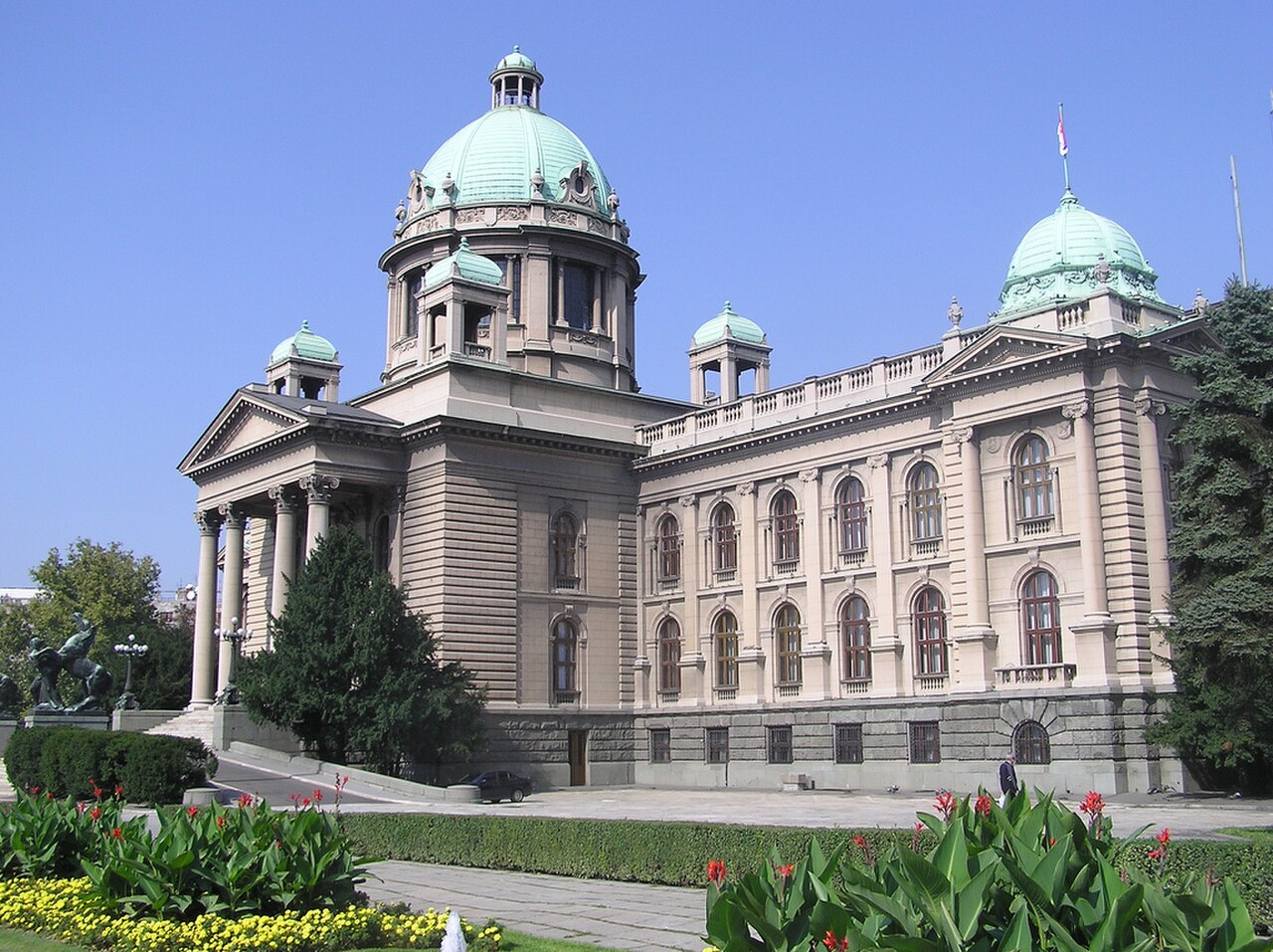
Winning is not governing. As of 30 October the new majority had not set up the parliament's bodies or named a prime minister. Brnabić, who chairs the National Assembly and has acted as president since Vučić resigned at the end of September, urged the majority to get on with it. She also said the Progressive Party, now in opposition, would not obstruct the process.
She still holds real levers. Acting presidents have reduced powers, but she can delay laws and appointments, and the Progressive Party could win the presidency back. She said a presidential election will be called by 27 December. If the new government is slow to open up the state media or reform the security services, that vote is the Progressives' chance to claw back ground.
The scale of the task shows in one number. The Centre for Eastern Studies in Warsaw puts Progressive Party membership at between 700,000 and 800,000, in a country of 6.5 million. Party membership was often a condition of career advancement, and that network does not disappear with an election result. Nikola Lunić, a former military officer writing for the Centre for European Policy Analysis, argues the new government should overhaul the security services first. He points to the 2003 assassination of reformist prime minister Zoran Đinđić, carried out with help from state security's Special Operations Unit, and to recent spyware use against journalists and activists.
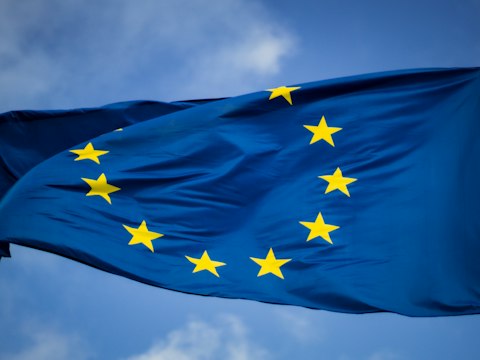
Hungary is the obvious comparison, and it only goes so far. Orbán fell inside the EU, where Brussels could withhold funds and put a price on his behaviour. Serbia sits outside, and for years EU leaders looked past Vučić's methods because they wanted him on side. As Ivan Vejvoda of Carnegie Europe asked of the rallies, why were there no European flags? Protesters, he wrote, saw European leaders visit Serbia to back the government without ever raising the backsliding publicly.
The students have not filled that gap. They have promised nothing on accession, on aligning with EU sanctions against Russia, or on Kosovo. The numbers are mixed. A CRTA poll earlier this year found 42% of Serbs want closer ties with the EU, but 75% of Student List supporters do. Enlargement Commissioner Marta Kos paused some aid payments to Belgrade about six months ago, and has said the door is open to a new government.
Brussels has a short window and a record to live down. Experts such as Engjellushe Morina of the European Council on Foreign Relations argue it should offer money and technical help for rule-of-law repair without demanding early choices on Russia or Kosovo. That is probably right. Democratic repair is itself the accession agenda. Watch three things: who becomes prime minister and how fast, what the Commission's enlargement package says about Serbia in the coming days, and whether the December presidential vote hands the old guard a way back.