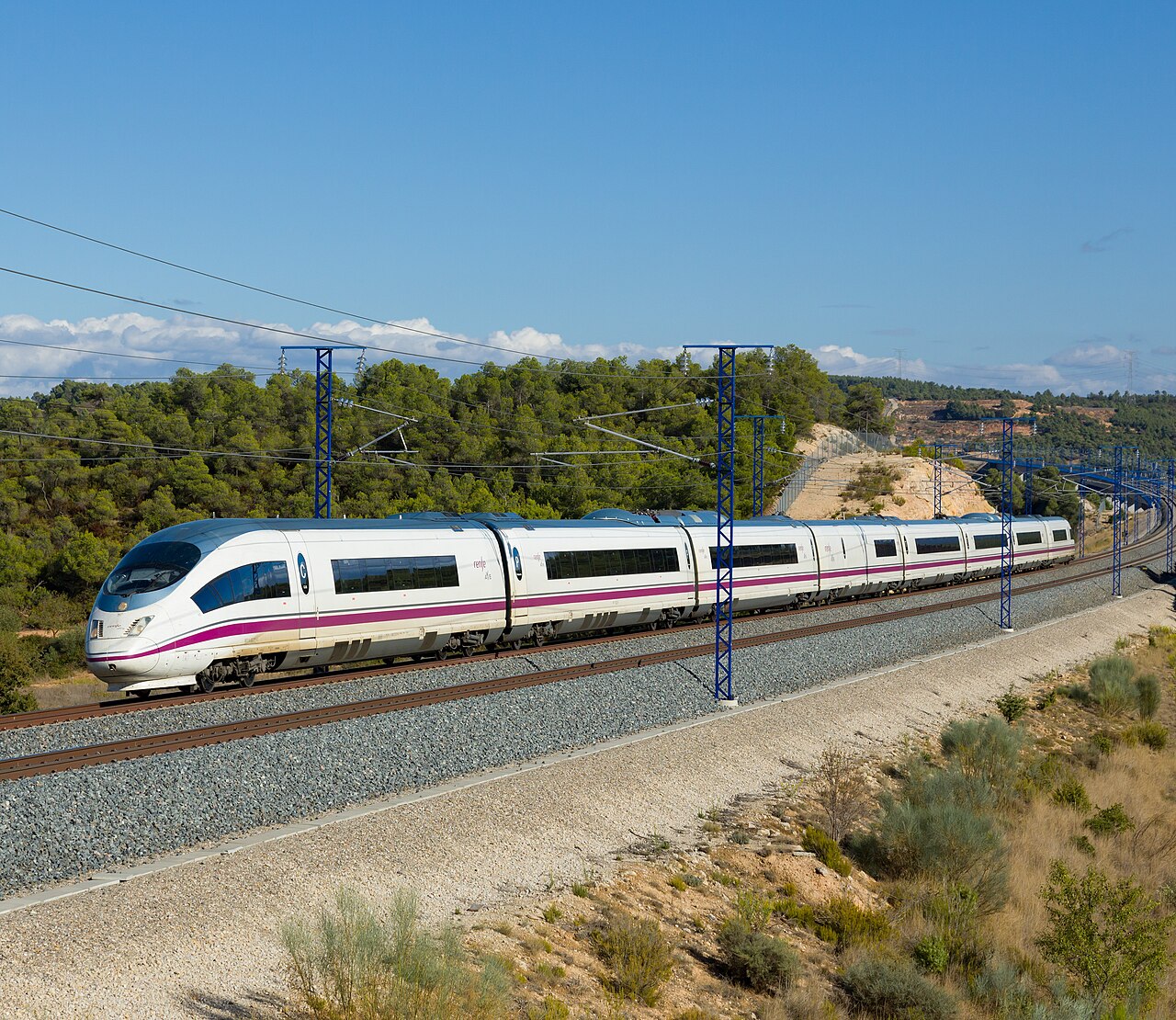
A Renfe high-speed train carrying nearly 400 people ran into the back of a stationary Iryo train on Wednesday morning, near Urda in Castilla-La Mancha, on the line between Madrid and Andalusia. The impact came just before 9am. Two coaches derailed and several fell down an embankment. Reports put the death toll at no fewer than 68, with around 80 injured and 15 of them in a serious condition. Early counts were far lower and rose through the day, so the figure may still change.
The account so far comes from Transport Minister Óscar Puente, and it points at the control room. At about 8:30 a failure in the cab-signalling system on this stretch stopped six trains over some 60 kilometres. At 8:36, he said, the control centre of Adif, Spain's rail infrastructure manager, authorised the Renfe train to resume. It then went past a red signal without a speed restriction and covered roughly 25 kilometres in 17 minutes before hitting the Iryo service, which was standing still.
Puente described the order as "inexplicable" and "erroneous", and called the collision "inconceivable". The controller has been identified and was questioned by the Guardia Civil. That does not make him guilty: Spain's civil rail accident investigator has opened its own inquiry, working with the police, and its final report can take months. A court has also taken up the case. Government sources say a protocol was broken, but nobody has yet shown why the train was cleared, or whether the system or a person failed first. Puente declined to say whether he would resign.
On 18 January an Iryo train derailed near Adamuz, in Córdoba province, and struck an oncoming Renfe train, killing around 46 people. Urda is the second deadly accident involving the same two operators on the same corridor in ten months. Prime Minister Pedro Sánchez and the Castilla-La Mancha regional president, Emiliano García-Page, both say the causes appear unrelated. No investigation has linked the two. Union voices have pointed to strain on the network since the market opened to competition, but nobody has offered evidence that this played a role on Wednesday.
Sánchez cancelled his agenda, went to the site and promised to "go all the way", with "total firmness" if negligence is found. King Felipe VI and Queen Letizia said they were deeply saddened. Three days of national mourning run from 29 to 31 October. Ursula von der Leyen wrote that Europe mourns with Spain.
The timing is awkward. Spain votes on 29 November, and most parties have suspended campaign events. Alberto Núñez Feijóo of the People's Party called for an independent review of the whole network, without assigning blame. Frente Amplio demanded political accountability. Vox's Santiago Abascal kept a rally and blamed the government. The transport minister is the obvious target if the control-room error is confirmed.
The Spanish rail system is one of Europe's largest high-speed networks, and its safety record is now under a harsh light. The first questions are narrow: why a cleared train could be sent into a stopped one, and why a signalling fault could remove the safeguards at once. The broader questions will follow. They include how a liberalised network with several operators and one infrastructure manager handles failure, and whether Brussels and national regulators check those procedures hard enough. The European Union Agency for Railways has not commented so far. Watch the investigator's preliminary findings and whether Puente survives them, because both will reach the election campaign before they reach a courtroom.