For a decade the question about Ukraine and Europe has been one of admission: can Kyiv meet the standards to join the club? A new paper from the Wilfried Martens Centre for European Studies, the official think tank of the centre-right European People's Party, turns that around. Its argument, set out in "Europe's New Security Architecture: Ukraine as a Strategic Pillar of the Continent's Defence Future," is that Europe now needs Ukraine at least as much as Ukraine needs Europe.
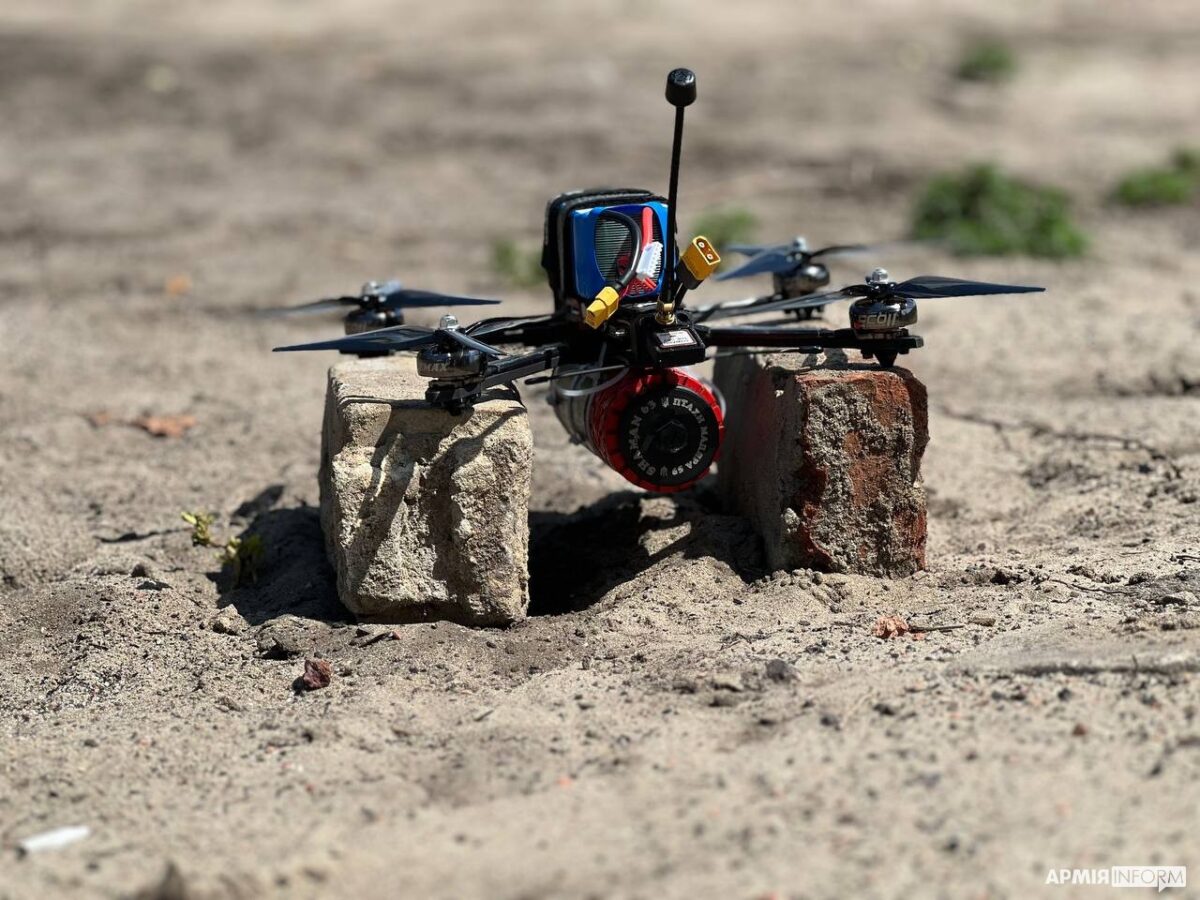
The paper traces how Ukraine has changed since Russia's 2014 seizure of Crimea and its full-scale invasion in 2022. Forced to fight without a reliable security umbrella, the country turned ingenuity into a weapon. It has built deep expertise across conventional combat, cyber warfare and the information domain, and pioneered automated systems in the air, at sea, on land and underwater. On defence artificial intelligence, the paper argues, Ukraine is now a leader, not a learner.
The upshot, in the Martens Centre's telling, is that Ukraine has quietly crossed a line: from a state that consumes European security to one that supplies it. Its combat-tested forces and its ability to design, test and field new weapons in weeks rather than years are capabilities most EU militaries simply do not have.
The recommendations are concrete. Europe's future security architecture, it says, should be built around capabilities and contributions rather than the institutional habits of a vanished era. In practice that means formalising Ukraine's role in shaping European military readiness and folding its armed forces into a future European defence framework.
Most pointedly, the paper urges the EU to embed Ukraine inside its own defence machinery, treating Kyiv as a quasi-accession industrial partner within the Commission's defence directorate, DG DEFIS, with full participation in European Defence Fund consortia. That would give Ukrainian firms a formal seat at the table where Europe designs and finances its next generation of weapons, well before the country formally joins the Union.
The proposals cut against long-standing caution in Brussels, where integrating a country still at war raises hard questions about risk, cost and precedent. But the paper's framing is deliberately provocative: if the central debate has shifted from whether Ukraine will join the EU to whether Europe can defend itself without Ukraine, then the honest answer, it contends, is that it cannot.
Think-tank papers rarely become policy on their own, but this one lands in a live argument. Europe is scrambling to rebuild its defence industrial base and arguing over how to spend hundreds of billions of euros doing it. A paper from the EPP's own institute making the case that Ukraine belongs inside that effort, not outside it, gives political cover to a shift that is already half underway. The real obstacle is not the logic; it is that formally wiring a wartime Ukraine into the EU's defence budget forces member states to decide how much risk they are willing to share, and that is a conversation many would still rather postpone.