Canada has picked a German shipbuilder to rebuild its submarine fleet, and the choice says as much about geopolitics as it does about naval engineering. Prime Minister Mark Carney announced in Halifax that ThyssenKrupp Marine Systems would supply up to 12 new submarines — one of the largest defence contracts in Canadian history, and a pointed nod toward Europe.
TKMS, bidding in partnership with Norway, beat South Korea's Hanwha Ocean to become preferred supplier for the Canadian Patrol Submarine Project. The order is for the Type 212CD — the "Common Design" class already being built for the German and Norwegian navies — in a package worth roughly C$60 billion (about $43 billion). Carney unveiled the decision before flying to a NATO leaders' summit in Türkiye, and called the German boats the "best platform and partnership" for Canada.
The subtext was hard to miss. Germany's ambassador to Canada, Tjorven Bellmann, called the agreement a strategic partnership "among close, trusted allies" at a time of geopolitical uncertainty, noting the two countries' crews could become interchangeable. Ottawa has lined up Canadian firms — including Seaspan, Magellan and EllisDon — to localise construction and long-term support. At a moment when allies are quietly questioning American reliability, Canada has chosen to anchor a generational defence buy in Europe rather than the United States.
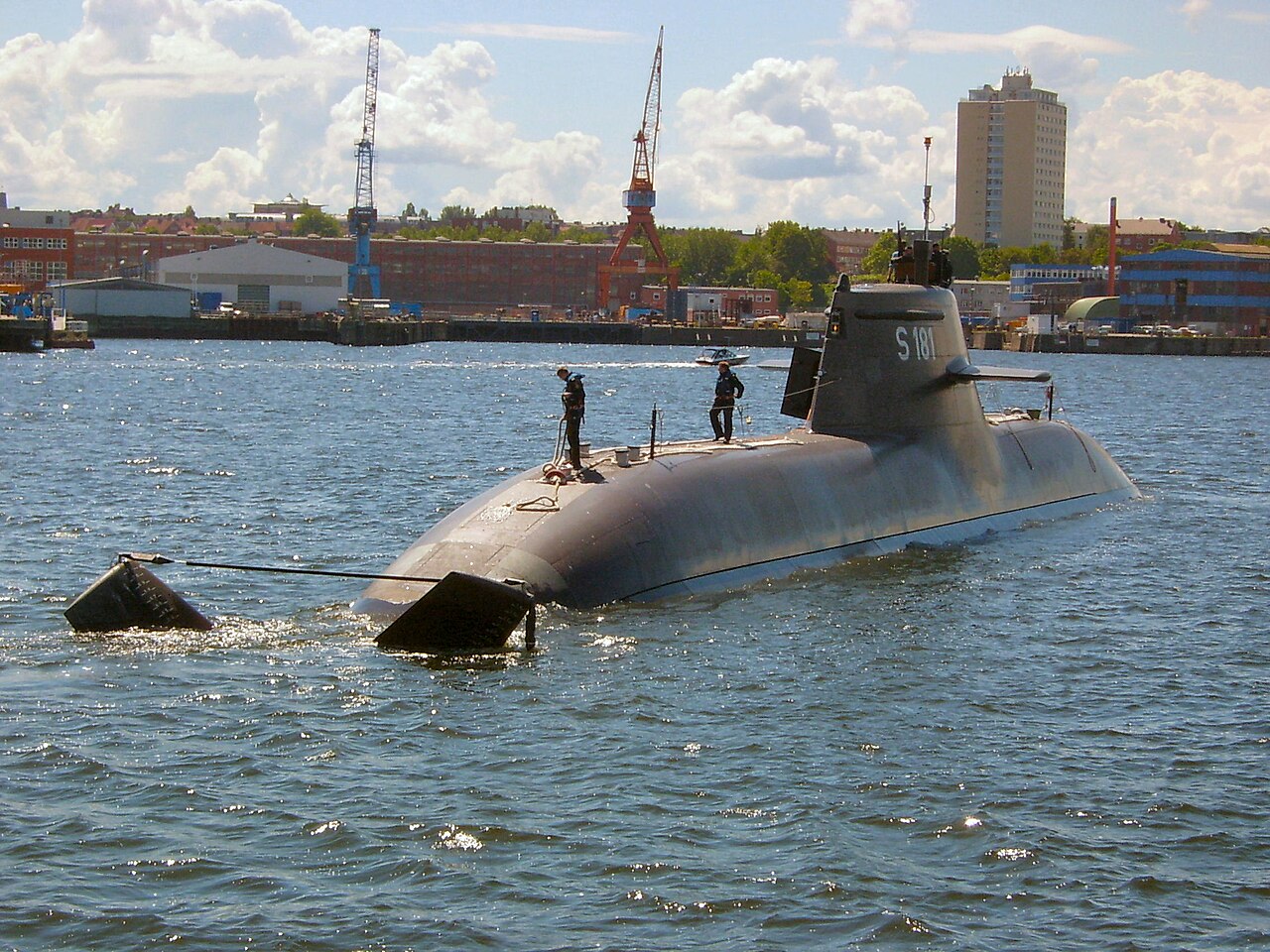
The German yard is the world's largest maker of non-nuclear submarines and supplies close to 70% of NATO's conventional fleet. The Type 212CD is a stealth-focused design with a diamond-shaped hull built to deflect enemy sonar and an air-independent propulsion system for long, quiet patrols. Adding Canada's boats to the existing German-Norwegian order of twelve gives the programme real industrial scale — and locks three NATO navies into a shared platform.
For Europe's defence industry, the win is a marker of how fast the ground is shifting. A North American ally has bet tens of billions on a European supplier, deepening an industrial bloc that runs from Kiel to Bergen and now across the Atlantic to Halifax. For Berlin, it is a strategic and commercial coup. And for Washington, it is another uncomfortable data point: as doubts about American constancy grow, even close partners are hedging — and Europe is increasingly the hedge.