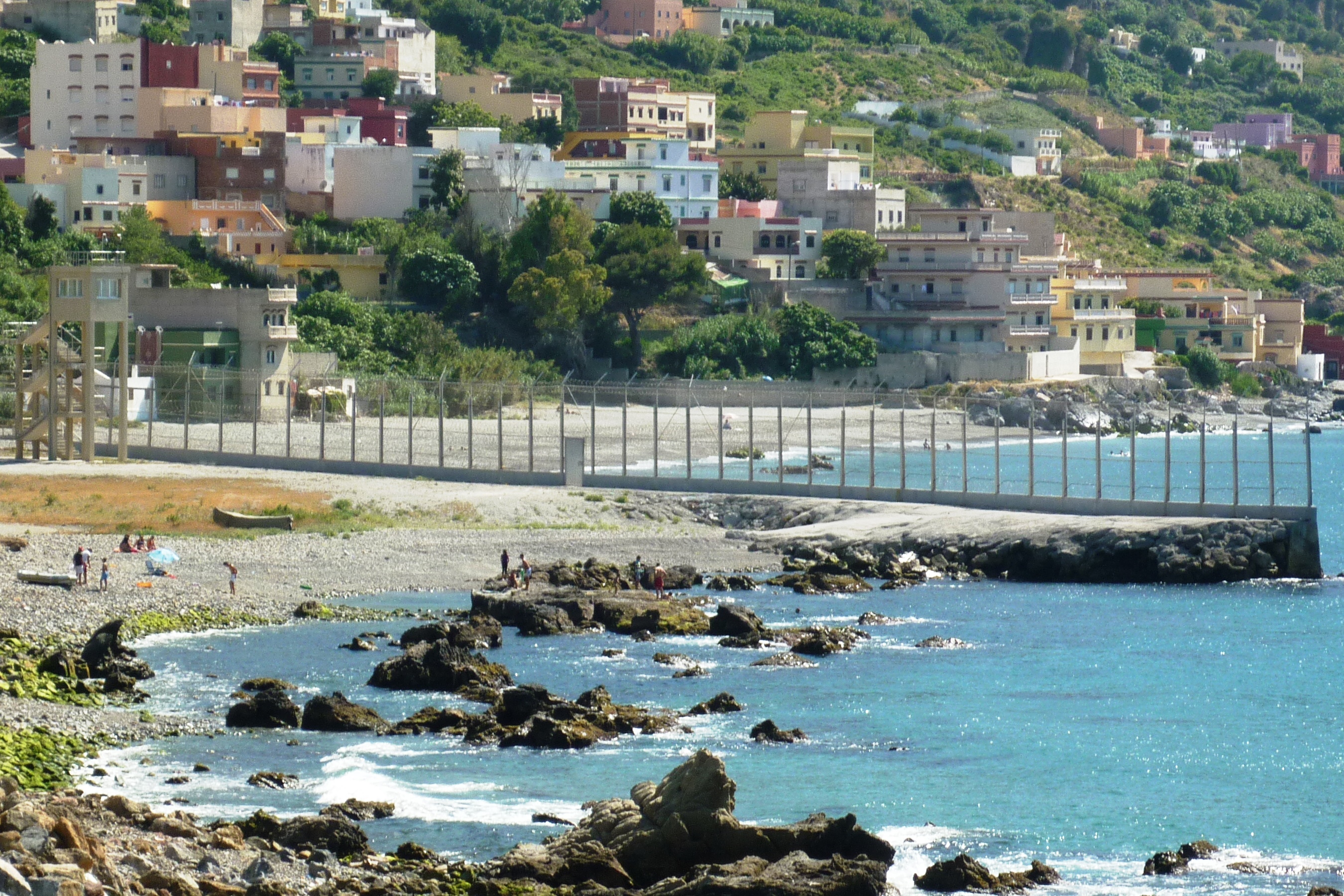
Two months after the largest single crossing in Ceuta's history, the numbers alone no longer explain why the episode still matters. On 30 and 31 July, more than 80,000 people crossed from Morocco into the Spanish exclave; within 48 hours some 70,000 had voluntarily returned, and none have since reached mainland Spain, according to the Spanish government. But at least 141 people died trying, and between 5,000 and 11,000 -- including thousands of unaccompanied minors -- remain in a city of 83,000. A new analysis by Camino Mortera-Martinez, a Kigali-based non-resident associate fellow at the Centre for European Reform who previously headed its Brussels office and served as a senior adviser on European affairs to Spain's prime minister in 2024-25, argues the diplomatic fallout has had little to do with those figures and everything to do with trust in the Schengen Area. Spain has run a 'double filter' border system in Ceuta and Melilla since joining Schengen in 1991, precisely to stop the exclaves' special status from opening a back door into the passport-free zone. That filter held: those who crossed into Ceuta had little realistic prospect of reaching the rest of the Schengen Area. It did not matter. Italy reintroduced checks on travellers from Spain on 1 August, and 22 European heads of government, led by Italy's Giorgia Meloni and Denmark's Mette Frederiksen, signed a joint letter accusing Madrid of creating 'pull factors' for migration, pointing to Spain's regularisation of between 600,000 and 1 million undocumented migrants over the summer. Spain retaliated with its own checks on travellers from Italy a week later. Both sets of controls have since been extended to 1 October.
Mortera-Martinez sets out three conditions that make the passport-free area function: its external border must be definitive, so everyone knows where it lies; defensible, so member states are able to protect it; and credible, so both insiders and outsiders believe everything possible will be done to defend it. In Ceuta, she argues, the border was none of these things. The Commission's own response was split rather than collective. President Ursula von der Leyen initially called only for the crossings to stop and for swift returns, before shifting to a more supportive tone and telling the European Parliament in her 16 September State of the Union address that 'Ceuta's border is a European border. Because Ceuta is Spain. Ceuta is Europe. And Europe will be there for you.' By then, member states had already started treating the Schengen safety valve -- designed to relieve genuine pressure on the external border in an emergency -- as a tool for punishing each other. Around a third of Schengen's 29 members had some internal controls in place before Ceuta; using them to pressure a fellow member state over an unrelated dispute is new. Austria has cited Ceuta among its reasons for extending checks on its borders with Slovakia, Czechia, Hungary and Slovenia -- four countries with no connection to Morocco at all.
The analysis draws a direct line to 2021, when Belarus funnelled migrants toward Poland, Lithuania and Latvia and the EU responded by sanctioning the airlines involved and naming Minsk's role publicly. This time, Morocco -- emboldened by its success in pushing European and American recognition of its claims over Western Sahara -- appears to have used European anxiety about irregular migration as leverage of its own. The mechanism at fault, Article 29 of the Schengen Borders Code, which addresses 'serious deficiencies' at the external border, has been invoked only once before, during Greece's 2016 migration crisis, and Greece remained inside Schengen throughout. If neither the Commission nor Spain demonstrates that testing the border carries a cost, the analysis warns, adversaries and partners alike will draw the conclusion that the EU's external frontier is negotiable -- a lesson Russia and Belarus, it argues, are already drawing.
The Ceuta crisis will not end Schengen, which has survived a pandemic, a refugee crisis and a war on the continent. But the specific failure mode identified here -- a safety valve built for emergencies being repurposed as leverage between member states -- does not require a new legal architecture to fix, since Article 29 already exists and has barely been used. What it requires is a choice: whether the Commission enforces the rules on internal controls impartially regardless of which capital is doing the pressuring, and whether member states decide to trust each other's border management again. Neither has happened yet, which is why Italian and Spanish checks are still running a week past the two-month mark, and why the precedent of using Schengen's own machinery against a partner -- rather than against a genuine external threat -- is the detail worth watching the next time any member state reaches for it.


.png)