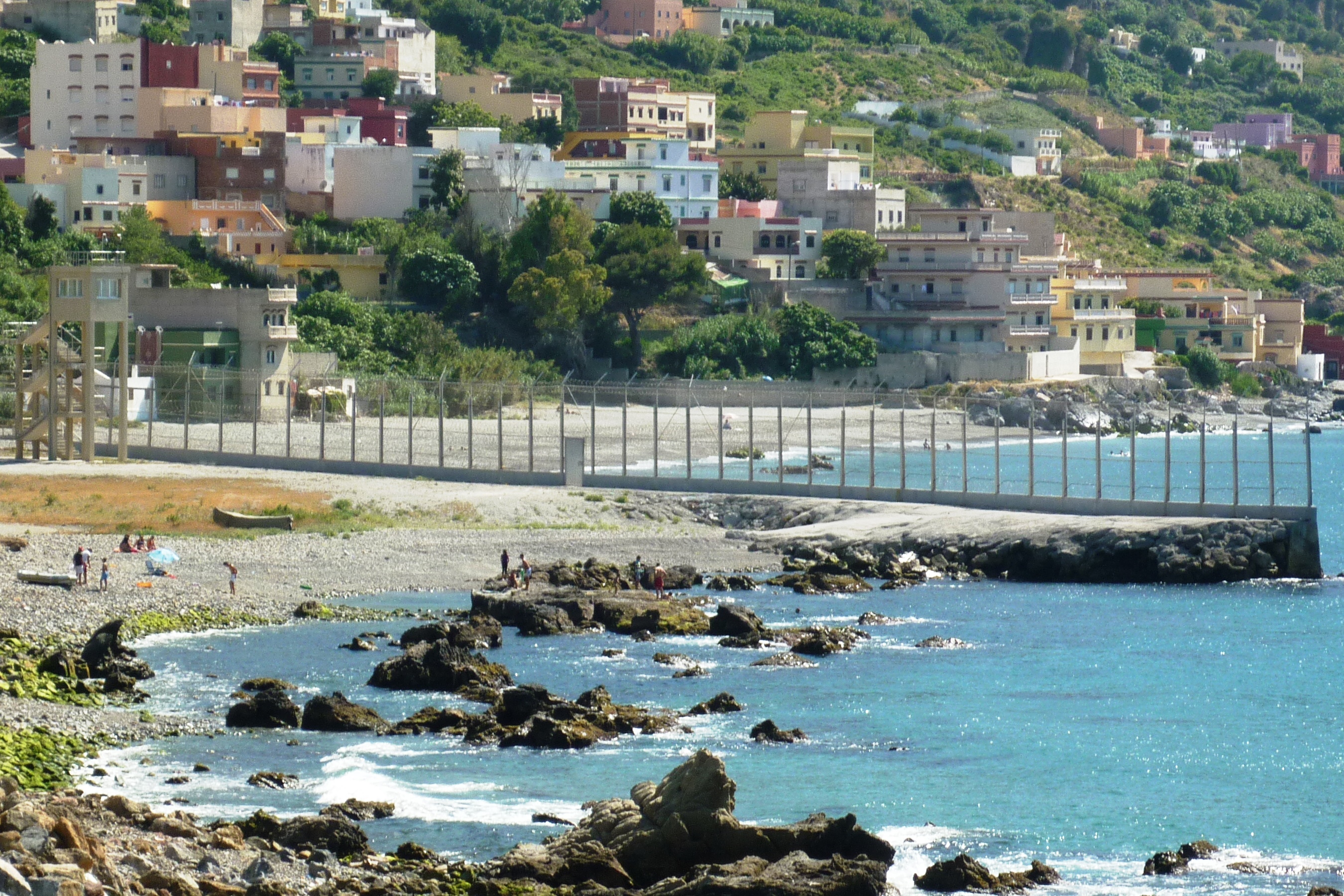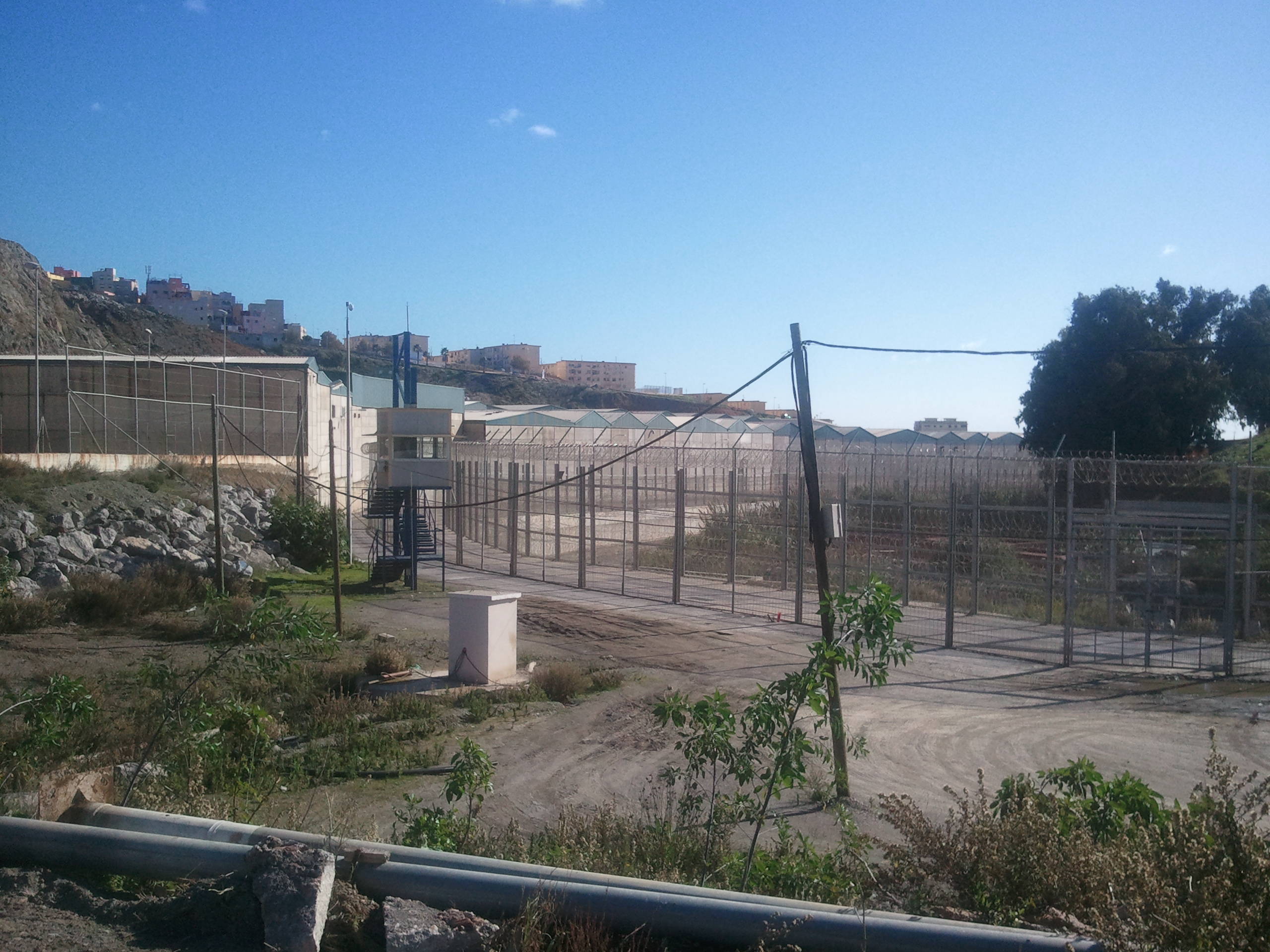
Six weeks after roughly 80,000 people crossed from Morocco into Ceuta in a matter of days, Spain has put a number on the aftermath: €309 million. The package approved by Madrid is nearly twice the €165 million that officials were briefing a week earlier, and €118 million of it goes to humanitarian relief and to the care of more than 1,500 unaccompanied minors.
The revision is the clearest measure yet of how far the situation has outrun the initial response. Between 5,000 and 8,000 people are still in the enclave.
The most visible move is also the most contested. Territorial Policy Minister Ángel Víctor Torres confirmed that the central government has taken over Ceuta's port to accommodate 700 migrants, calling the takeover "strictly temporary" and intended to speed up identity checks, process asylum claims and allow deportations of those with no right to remain.
Ceuta's People's Party administration opposes it. Torres has called for cross-party consensus to stop the crisis becoming permanent — an appeal that reads less like a negotiating position than an admission that Madrid cannot manage a 19-square-kilometre enclave without the people who run it.
The European Commission has now declined the same two questions repeatedly. On Italy's request to extend controls at its air and sea borders with Spain by fifteen days, the answer is that the notification is being assessed. On whether Ceuta constitutes a serious threat to public policy or internal security — the legal test for suspending free movement inside Schengen — there is no answer at all.
That silence is doing work. Saying yes would validate a member state reintroducing internal borders over a situation in a Spanish enclave on the African coast. Saying no would put the Commission in open conflict with Rome at the start of a difficult autumn. Migration Commissioner Magnus Brunner is in contact with both capitals and the Schengen coordinator is following the file, which is the institutional way of saying the clock is being allowed to run.
Spain, for its part, has prepared a reciprocal extension of controls with Italy. Two member states are now checking each other's citizens at the border while the institution responsible for the rulebook assesses a notification.
Pedro Sánchez has blamed a coordinated disinformation campaign linked to Russia, Israel and what he called an international far right for triggering July's influx, and said Spanish security and intelligence services found no evidence implicating Morocco. He cited an EU report on foreign information manipulation as his evidence. Israel called the accusation a shameless lie.
Asked to confirm the underlying report, the Commission's chief spokesperson pointed to the institutional division of labour: the work on foreign information manipulation belongs to the European External Action Service, and the Commission has no information of its own. A prime minister citing an EU finding and the EU declining to stand behind it in public is not a small gap.
Meanwhile the first significant poll since the crisis shows the Socialists losing ground before next year's general election. Madrid asked Frontex for ten additional officers to help with registration and screening, and Europol for screening support — modest requests from a government that has historically preferred to handle its southern border itself.
Ceuta has stopped being an operational problem and become a test of whether the Schengen rulebook means anything when two member states decide it is inconvenient. Italy has suspended free movement with Spain on rolling fifteen-day extensions; Spain is preparing to do the same in reverse; the Commission is assessing.
The Migration and Asylum Pact was supposed to make exactly this situation manageable through solidarity mechanisms rather than border closures. Six weeks in, the response has been a national cheque, a requisitioned port and two capitals reintroducing controls on each other. That is the pact's first real stress test, and it is not going well.