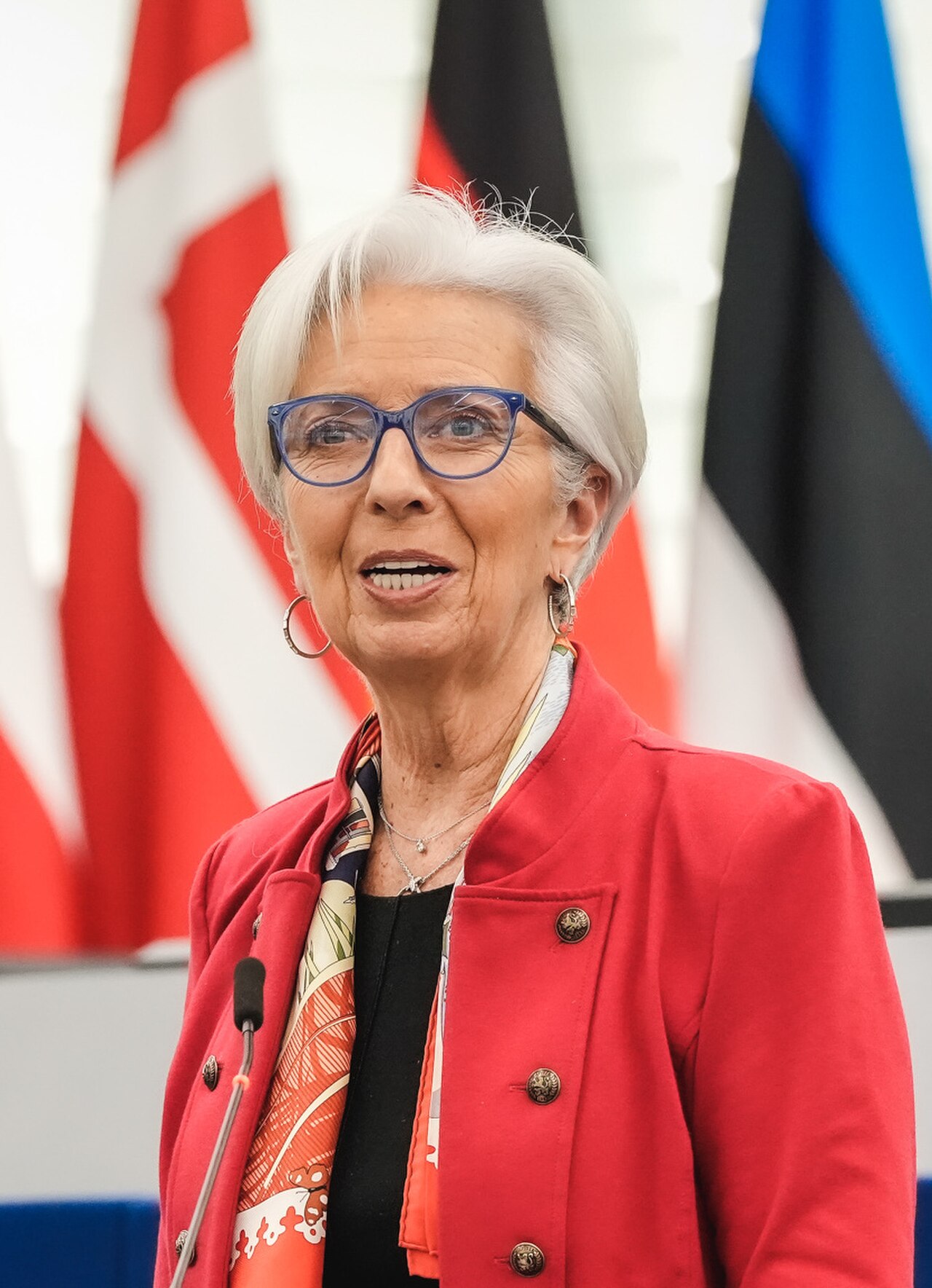
The European Central Bank did what everyone expected on Thursday and then did something nobody was sure of. It left its deposit rate at 2.50%, with the main refinancing rate at 2.65% and the marginal lending rate at 2.90%. Then Christine Lagarde told the press conference she will leave on 7 February 2027.
Her term runs to October 2027. She did not say where she is going. Asked about her reasons, she said: "I don't think that I can remain neutral." She declined to name a preferred successor, and would not back a French candidate.
The Governing Council was unanimous. Euro-area inflation hit 3.8% in September, up from 3.2% in August, and energy prices are 18.9% higher than a year ago. That is far above the 2% target, yet the Council chose to wait for fresh staff projections in December rather than move now.
It did not close the door. On December, Lagarde said: "Unless there were major developments, the direction of travel is quite clear for all of us." Markets read that as another quarter-point rise. There is no meeting in November.
EU Council President António Costa started the appointment process on Thursday, from Montreal. Euro-area governments nominate candidates and EU leaders make the final choice, after consulting the European Parliament.
Two names lead. Pablo Hernández de Cos, head of the Bank for International Settlements, is backed by Spain. Klaas Knot, the former Dutch central bank governor, has the Dutch government behind him. A Bloomberg survey of economists makes Hernández de Cos the narrow favourite.
The choice will probably be one piece of a larger deal. Isabel Schnabel leaves the Executive Board in January for the IMF, and chief economist Philip Lane's term ends in May. Three of six board seats will change hands in under a year, and capitals will want a package.
France's 10-year yield is above 5%, and the gap over German bonds is wide. ING put it bluntly: the bond market has taken over the ECB's job. A president who is leaving early, and a succession fight that could split north and south, add uncertainty at a bad moment for the euro area's most indebted governments.
The rate decision was a placeholder. The real change is that the ECB now has a countdown. Governments have about three months to agree a package that covers the presidency, the chief economist and Schnabel's seat, while inflation is still running at nearly double the target. Watch for two things: whether Madrid and The Hague settle on a compromise or let it drag, and whether the ECB signals in December that it will raise rates again before Lagarde goes.