

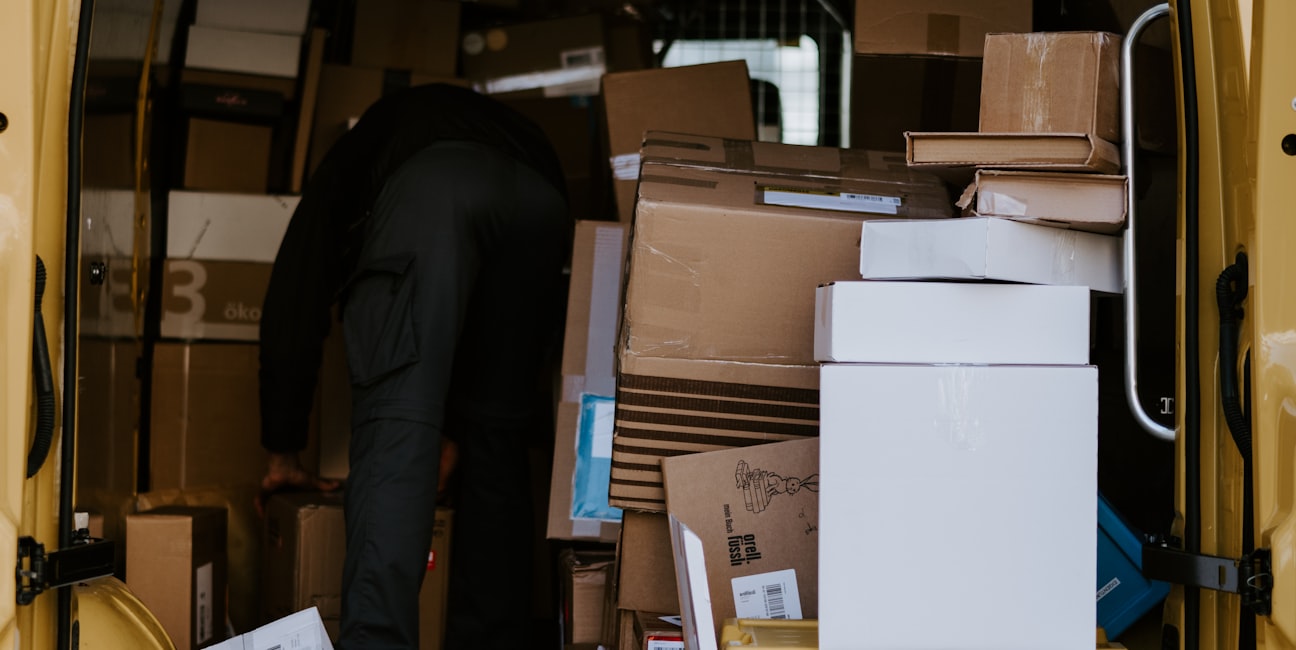
For two decades, almost anything posted to an EU shopper worth less than €150 slipped across the border duty-free. That ends on 1 July. Every low-value consignment arriving from outside the bloc will now carry a flat customs duty, and the cheap-parcel business model that flooded Europe with packages from China is about to get a lot more expensive.
Under Council Regulation (EU) 2026/382, which the Council of the EU gave its final green light in February, the long-standing “de minimis” relief disappears. In its place comes a temporary flat duty of €3 on each item in a qualifying consignment valued at €150 or less.
The charge is levied per item, not per parcel — and the European Commission counts items by their customs classification. A package holding one silk blouse and two wool blouses contains two distinct item types, so it attracts €6, not €3. For sellers that ship millions of mixed, ultra-cheap orders, the arithmetic adds up fast.
The Commission's Taxation and Customs Union department frames the change as overdue. The volume of small packages entering the EU has roughly doubled every year since 2022; in 2024 alone, 4.6 billion such parcels crossed the border, and 91% of them came from China. Brussels argues the duty-free flood created unfair competition for European sellers, opened the door to fraud and unsafe goods, and carried a heavy environmental cost.
The platforms most exposed are the ones that turned the exemption into a strategy. Shein and Temu built their European growth on shipping low-value goods straight from Chinese warehouses to consumers' doors, under the threshold and free of duty. That advantage is now being taxed away.
The €3 duty is a stopgap. It is designed to run until 1 July 2028, when the EU's new Customs Data Hub for e-commerce is expected to come online and standard, product-specific duties take over. And it is not the only new cost. A separate handling fee, estimated at around €2 per item, is expected to take effect by November to cover customs processing — lifting the total charge on a typical item toward €5.
The change ripples beyond Shenzhen. Retailers elsewhere, including small British firms that sell into the EU, now face the same paperwork and charges on their own EU-bound orders. The move also mirrors Washington: the Trump administration scrapped the United States' equivalent de minimis exemption last year, and Brussels has followed the same logic of closing a loophole that domestic sellers had long complained about.
The era of the frictionless, duty-free parcel is closing on both sides of the Atlantic. For European shoppers, the headline prices on ultra-cheap platforms will creep up, or the fees will surface at checkout. For European retailers who have spent years being undercut, it is a measure of relief. The harder question is enforcement: processing billions of parcels and collecting a few euros on each will test the EU's customs systems well before the permanent regime arrives in 2028. The policy goal is clear — a level playing field — but the logistics of getting there are where this reform will be won or lost.


