When Iranian drones struck a Qatari liquefied natural gas terminal in March, the shockwave took three months to reach European farms. It arrived in the form of a fertilizer bill that has climbed 70% since the start of the year — and is still rising.
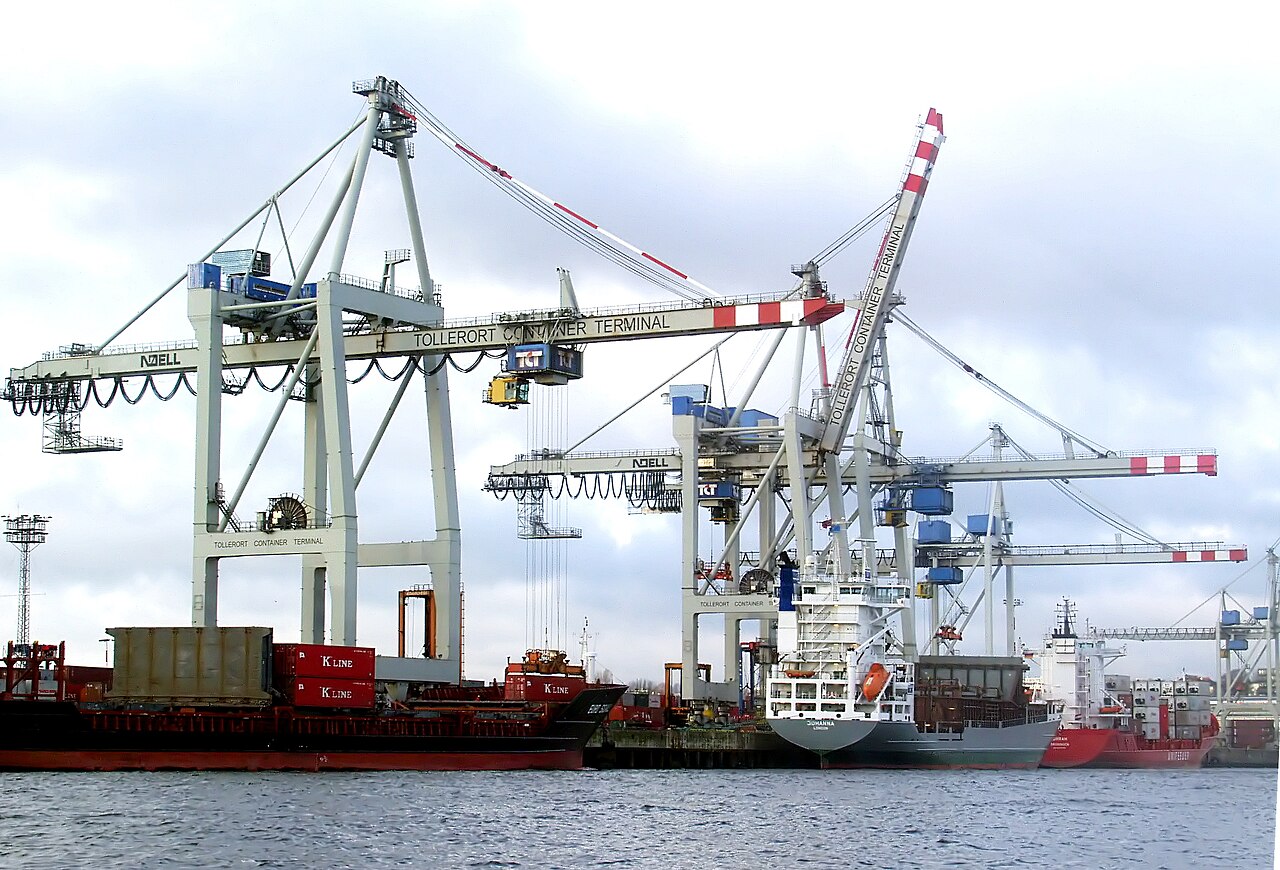
The Strait of Hormuz carries roughly one third of the world's seaborne fertilizer trade. With the Iran conflict closing that corridor to commercial shipping, the ripple effects have reached every EU member state that relies on imported potash, urea, and phosphate to grow food. That is, in practice, all of them.
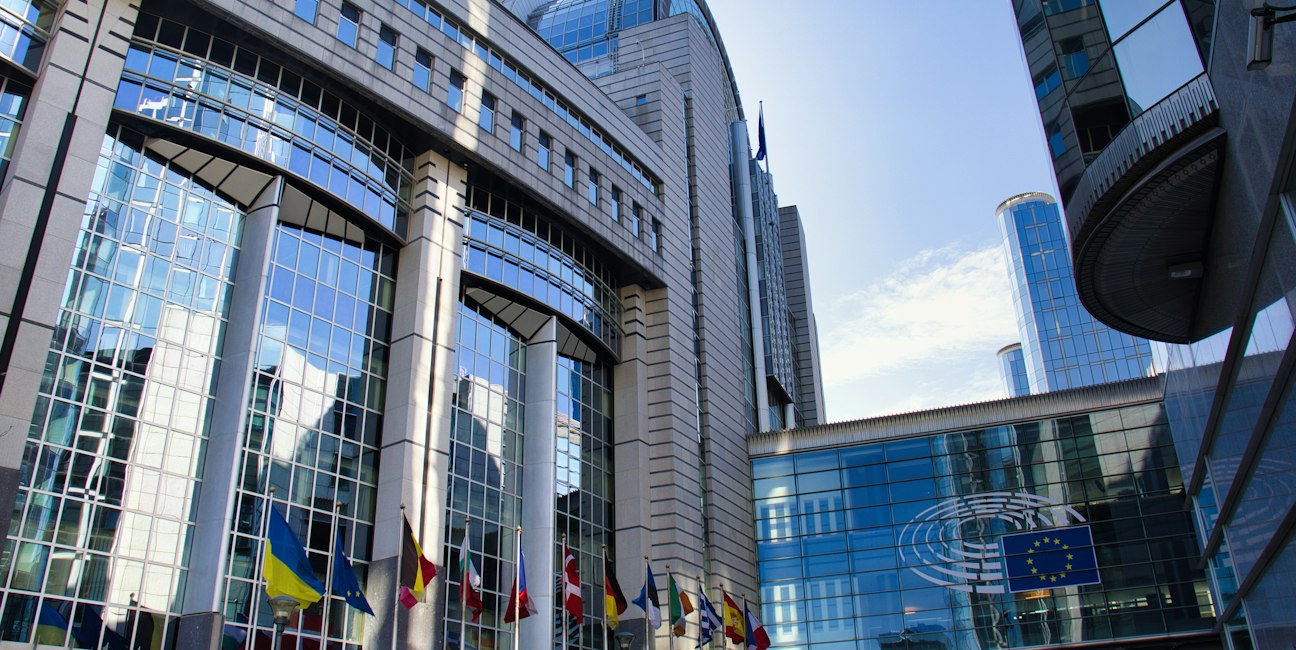
EU agriculture ministers gathered in Brussels on Tuesday for an emergency session of the Agriculture and Fisheries Council, convened ahead of schedule to address what the Commission now officially classifies as a food security risk. The agenda: state aid, import diversification, and a proposal for the first EU strategic reserve for agricultural inputs.
The Commission tabled a package allowing member states to subsidise up to 70% of farmers' additional fertilizer costs above a defined baseline — a significant expansion of the existing agricultural crisis mechanism, which caps input cost support at 50%. The measure requires no new treaty authority; it uses existing state aid flexibility under the bloc's agricultural crisis rules.
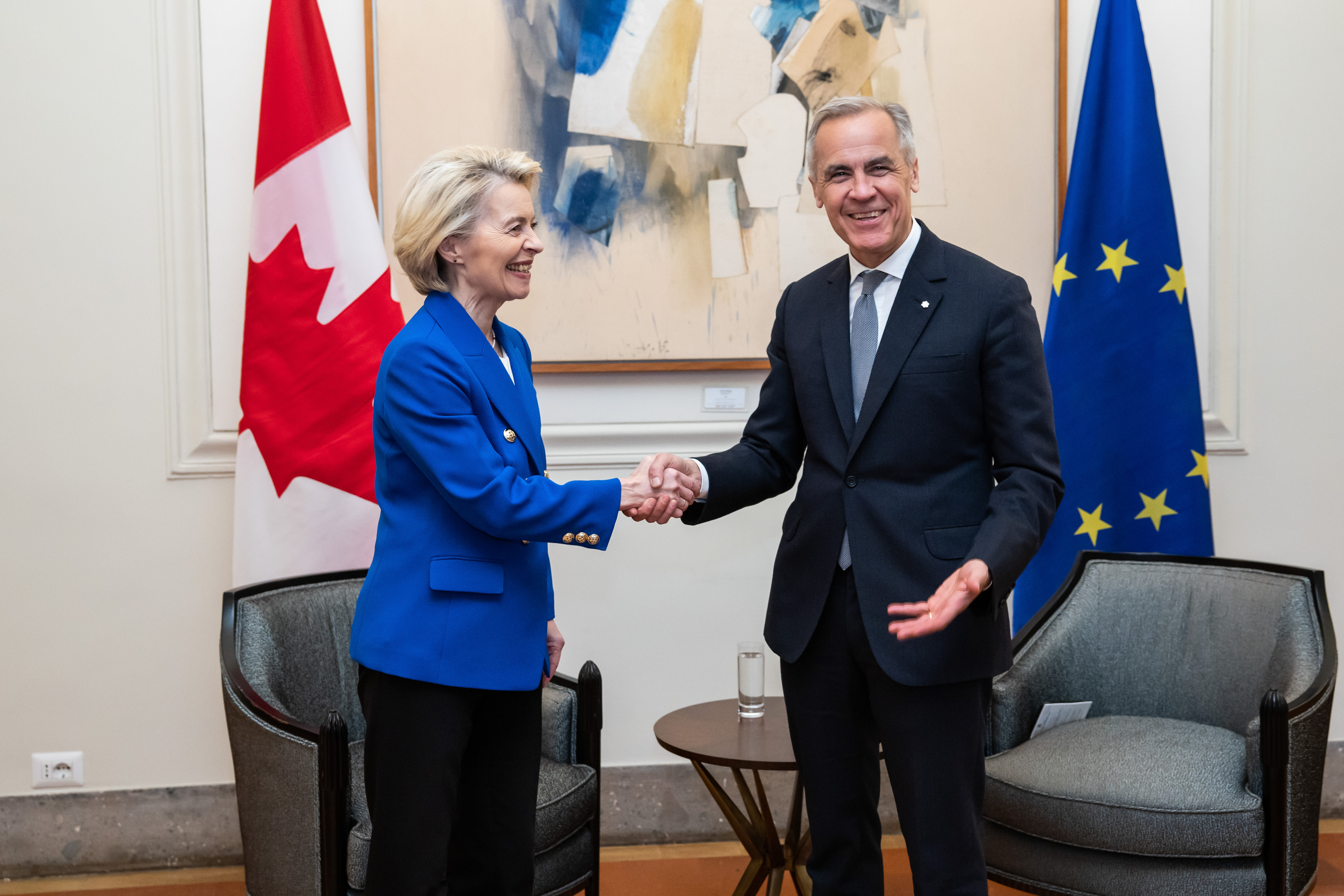
Separately, the Commission proposed a temporary suspension of tariffs on fertilizer imports from non-sanctioned third countries, including Morocco, Canada, and Norway. The move is designed to accelerate import substitution away from Russian and Middle Eastern suppliers.
Europe's fertilizer dependency is a structural vulnerability that predates the Iran conflict. After Russia's invasion of Ukraine in 2022, EU producers scrambled to reduce reliance on Russian ammonia and potash — both of which had accounted for nearly 30% of European imports. Progress was partial. Russia's share of EU potash imports fell from 26% to 18% between 2022 and 2025, but no equivalent diversification happened for nitrogenous fertilizers, which depend heavily on natural gas as a feedstock and are highly sensitive to energy price shocks.
The Hormuz closure compounded both problems simultaneously. Qatar — a major LNG supplier to Europe and a key fertilizer exporter — saw its shipping lanes disrupted. Jordan and Saudi Arabia, both significant phosphate and potash exporters, also lost Hormuz access. At the same time, European gas prices spiked as LNG supply tightened, driving up the cost of domestic fertilizer production at plants that had survived the post-2022 shakeout.
The result: a 70% average price increase across the main fertilizer categories, with nitrogen-based products — used most intensively in cereal and oilseed production — rising fastest.
The most significant announcement from Tuesday's session was a Commission commitment to develop a European strategic reserve for critical agricultural inputs. The proposal, to be formally tabled in July, would require member states to maintain minimum stockholdings of fertilizers and crop protection products — mirroring the strategic petroleum reserve framework that exists for energy.
The idea is not new. It has been proposed after every supply shock since 2022 and has consistently stalled over questions of cost, storage logistics, and member state competence. Agriculture ministers have now formally requested that the Commission fast-track it, giving the July proposal more political momentum than previous iterations.
For farmers, none of this is fast enough. Planting decisions for the 2026 autumn season must be made within weeks. Many have already reduced their planned fertilizer application rates, accepting lower expected yields in exchange for cost certainty. The impact will appear in harvest data in 2027 — by which point the political window for action will have long since closed.
The Iran conflict has turned a slow-burning European agricultural vulnerability into an acute policy emergency. The Commission's response — temporary state aid, tariff suspensions, a stockpile proposal — is structurally sound but comes too late for this growing season. The strategic reserve question will be the real test: Brussels has promised it twice already and delivered nothing. A July legislative proposal is not a reserve. European food security depends on whether this time, member states are willing to pay the storage and logistics costs to make it real.