The European Commission wants Frontex to become the EU's main border and deportation agency. On Tuesday it put forward a new mandate for the Warsaw-based body, together with a second regulation to digitalise how returns are handled. Both need approval from the European Parliament and the Council.
The headline number is 30,000. The Commission says the standing corps would grow gradually to that size, by doubling Frontex's own officers and adding a new 17,000-strong European Border and Return Reserve that member states can call on. Officers seconded by national governments, about 7,000, come on top. The reserve would sit on standby and be activated when a crisis demands it. Ursula von der Leyen first floated tripling the force, and some capitals pushed back, arguing the debate should be about what Frontex does, not how big it is.
Returns are the real shift. A new Return Coordination Centre would follow a case from the first identification of someone with no right to stay, through voluntary-return counselling and flights, to help with reintegration at home. Frontex could also give technical and operational help to non-EU governments on their own returns.
The most contested change is geographic. Frontex could organise the return of people from one non-EU country to another, a power its current mandate does not allow. That is only possible with an agreement with the country concerned and, the Commission stresses, within fundamental-rights and non-refoulement limits. Critics read it as the legal groundwork for third-country return hubs. An Italian centre-left politician put it bluntly that Europe does not want its own version of ICE, the US immigration enforcement agency.
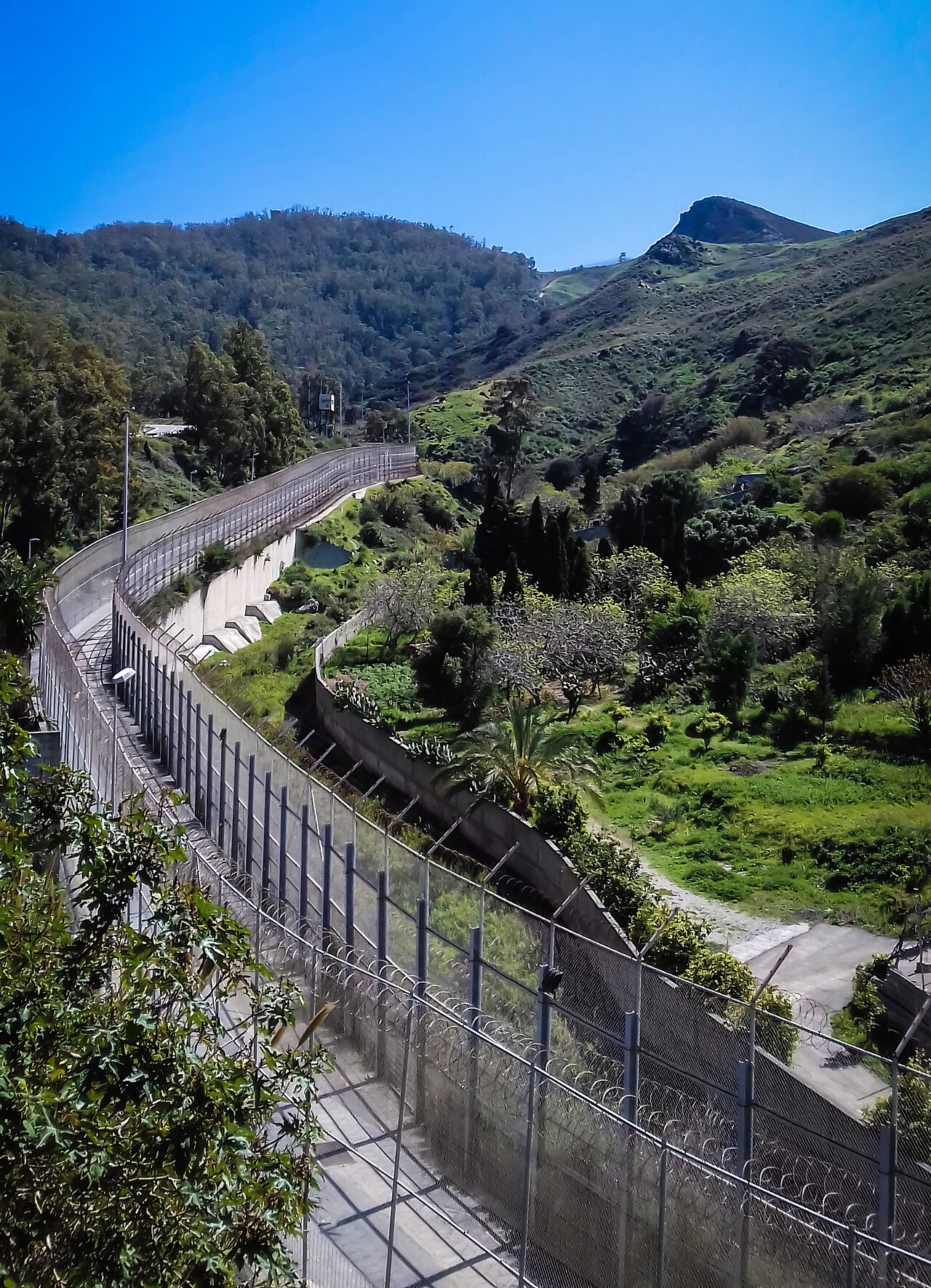
Numbers are the Commission's argument. Illegal border crossings have more than halved in two years, and the return rate has climbed to about a third. Frontex carried out 64,000 returns last year on more than 220 flights. Home affairs commissioner Magnus Brunner said the aim is to stop events turning into crises, a reference to this summer's mass crossing into the Spanish enclave of Ceuta.
On crisis response the draft creates a Quick Reaction Force that can deploy at very short notice once a member state in trouble asks for it. The Executive Director would take the decision to send it. Member states would have to report any event with a potentially significant impact on the external border within 24 hours through the EUROSUR network.
A new Online Monitoring and Response Centre would watch publicly accessible social media for border-relevant developments, such as the online campaigns that preceded the Ceuta rush, and support action against illegal content tied to border security. Frontex would also be allowed to buy, lease and co-own equipment and act as a central purchasing body, including for AI-enabled tools.
The text published by the Commission stresses fundamental rights. People briefed on the draft ahead of its publication said it would narrow what Frontex's fundamental rights office can examine. It would probe Frontex's own staff but not national officers working alongside the agency, whose alleged abuses would be passed to their home authorities. One person said the aim was for Frontex not to be a thorn in member states' side.
That matters because the office has been the main source of documented violations, including physical abuse of migrants by Greek police and thefts by police in Albania. Fundamental rights officer Jonas Grimheden wrote in a report this year that of 52 cases member states were asked about, none of the national investigations had led to anyone being held responsible. Rights groups have criticised the proposal sharply.
The Commission is asking for €11.8 billion for Frontex in the 2028-2034 budget negotiations, nearly double the current €6 billion. Brunner said member states themselves are asking for it. They are also the ones arguing over the total budget, with a group led by Germany pressing for cuts of several hundred billion euros against the Commission's proposal. The separate returns regulation builds a single digital interface for return, readmission and reintegration cases, which the Commission says will not create a new central database. An official hopes it can be running within four years.
This is the Commission answering a political demand. Governments want visible control of the border, and the Ceuta crossings gave them an argument. The package pays that price in two currencies: money, and oversight. The fights to watch are in the Council, where capitals that wanted a bigger role for national forces will test the 17,000 reserve, and in the Parliament, where the third-country return power and the watchdog's reach are the likeliest flashpoints. If both survive intact, Frontex will look less like a coordinator and more like a European police agency with its own deportation machine. If either is trimmed, the headline 30,000 will matter less than what those officers are allowed to do.