

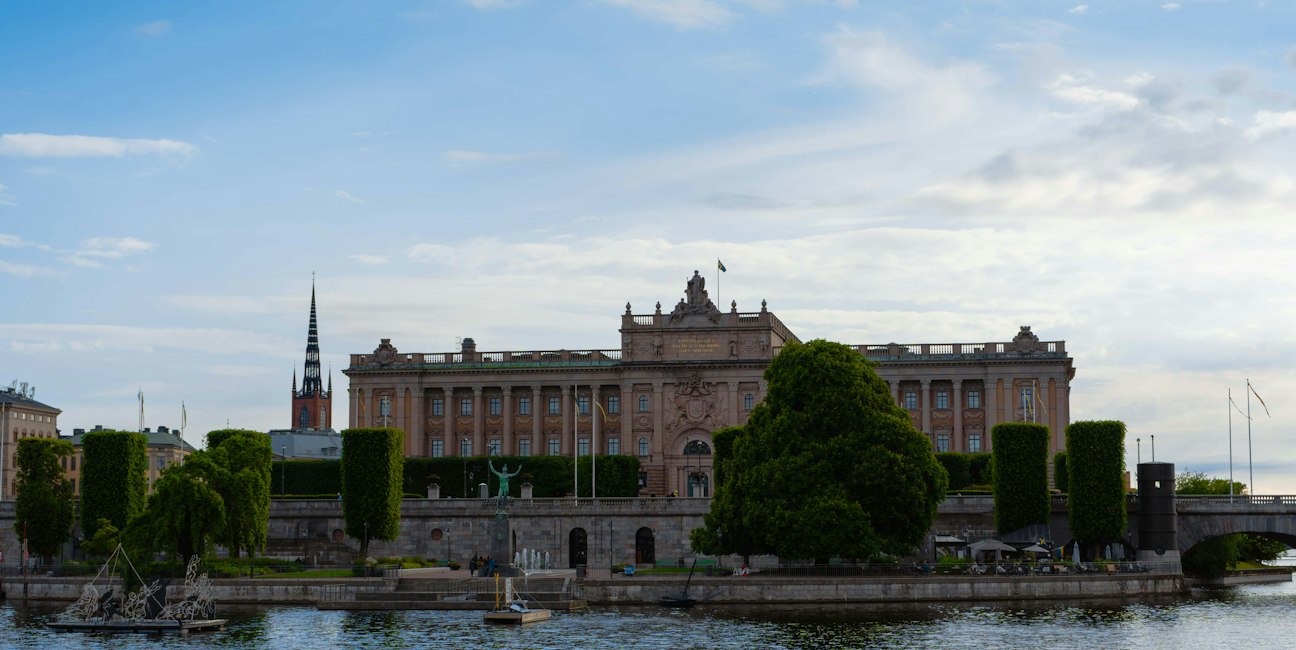
Magdalena Andersson has given up her attempt to form a Swedish government. The Social Democrat leader handed back her mandate on Monday, saying there is "at present no possibility" of assembling a cabinet.
The trigger was a vote for speaker. Andreas Norlén of the centre-right Moderates was re-elected with 200 votes to 146 for Social Democrat Johanna Haraldsson, thanks to support from the Left Party. Haraldsson becomes first deputy speaker. Andersson said the Left's choice created "a new constellation" that undid her arithmetic.
September's election left the centre-left bloc with 176 seats in the 349-seat Riksdag and the right-wing bloc with 173. The Social Democrats are the largest party with 99 seats. But the Left insisted on ministerial posts in any government it backed, and the Centre Party, with around 24 or 25 seats, refuses to sit alongside the Left.
Norlén, who now resumes control of the process, decides which party leader gets the next chance. Outgoing Prime Minister Ulf Kristersson is the likely candidate. The right needs the Centre Party to reach a majority, and the Centre refuses to sit with the Sweden Democrats or the Left. Previous formations took 37 days in 2022 and 134 days in 2018, and this one is already on pace with them.
The delay carries a European cost. Just days ago, Andersson told Politico she wanted to scrap national vetoes on EU foreign policy in favour of qualified majority voting, and to use Russia's frozen central bank assets for Ukraine. That agenda now waits.
Sweden is not in crisis. It has a government in place while the parties talk, and a long tradition of slow formations. But a parliament with no natural majority means the next cabinet will depend on parties that refuse to sit together, and Stockholm's voice on EU defence and Russia policy will stay less certain until that is solved. Watch which leader Norlén calls next, and whether the Centre Party shifts.


.png)


