The European Union has spent a year assembling its toughest set of measures yet against Russia's energy trade. On the day the clock runs out, the whole package rests on the objections of a single member state defending a single shipping company. Greece is refusing to sign off on the bloc's 21st sanctions package unless Brussels softens new restrictions on Russian liquefied natural gas — restrictions that would cripple Dynagas, a fleet of specialised tankers owned by Greek shipping magnate George Prokopiou.
EU ambassadors met on 22 July in Coreper, the committee that prepares Council decisions, for the last time before the summer recess. It was meant to be the meeting that closed the deal. Instead, Athens' envoy told his counterparts that the planned ban on carrying Russian LNG to non-EU buyers would “destroy” Dynagas, and asked for an open-ended exemption. Sanctions require unanimity. One objection is enough.
What makes 23 July a hard deadline is the mechanics of the oil price cap. The cap bars Western shipping, insurance and financing for Russian crude sold above a set ceiling, and that ceiling is supposed to reset every six months to sit fifteen percent below the market price. In calm times, each reset ratchets the cap down. But oil is not calm: the war in the Middle East and the disruption around the Strait of Hormuz have pushed prices up sharply. Left to run, the automatic formula would lift the cap — from the $44.10 a barrel set in January toward roughly $58 — rather than lower it.
A cap that floats up above the market price stops doing its job. To avoid that, ambassadors on 15 July froze the cap at $44.10 rather than let it climb, buying time until 23 July to agree the wider package. That is the trap now closing: miss the deadline, and the tool loosens by default, handing Moscow a windfall that no one voted for.
Most of the 21st package is settled and, by the standards of previous rounds, far-reaching. It tightens the net around Russia's banking system, adds new listings, and — for the first time — takes direct aim at Russian LNG. The measures would restrict both the re-export of Russian gas through EU ports to third countries and the long-term supply contracts that underpin the trade. Europe has resisted hitting LNG directly for more than a year, wary of the effect on its own energy security and on member states with large merchant fleets. This package crosses that line.
Until this week, two capitals were holding out. Austria had tied its support to relief for Raiffeisen Bank International, its largest lender still exposed to Russia, and to the unfreezing of assets linked to the investment vehicle Rasperia. Diplomats say a compromise acceptable to Vienna has now been found. That leaves Greece alone at the front of the queue.
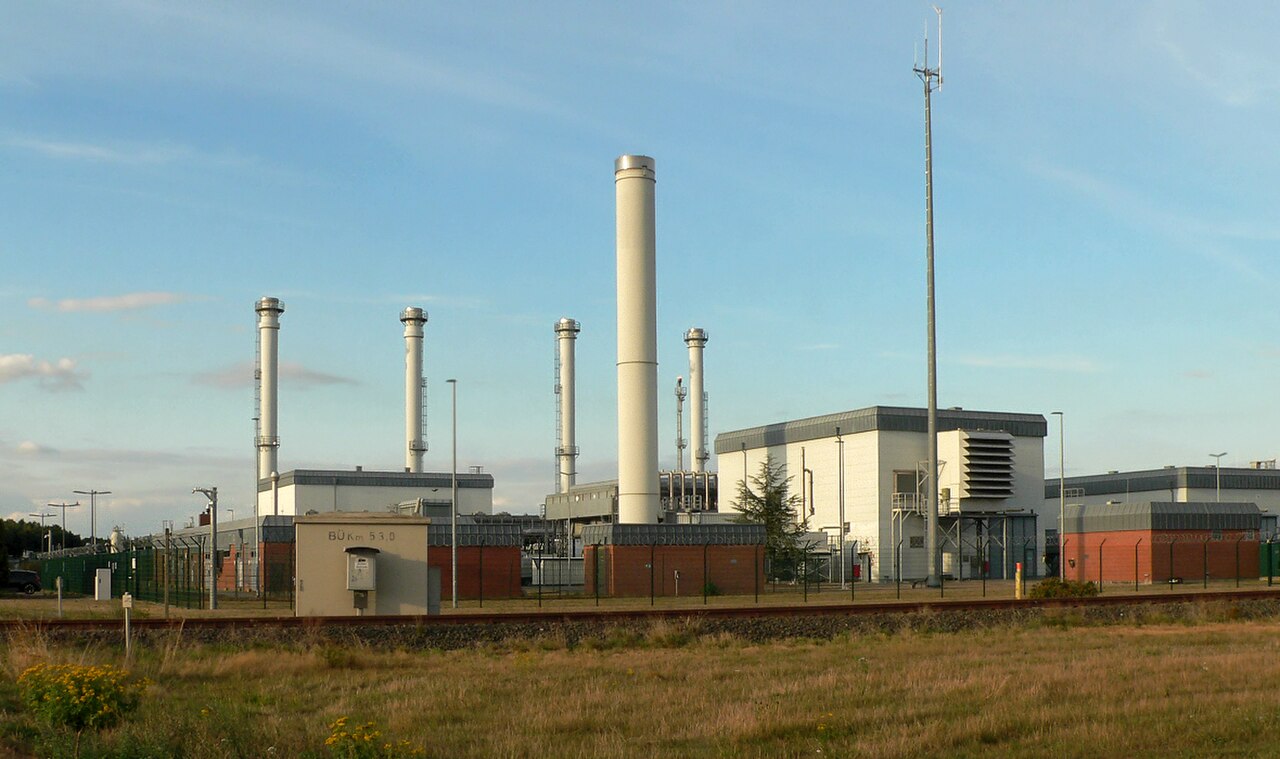
Dynagas is not an incidental player. Its ice-class carriers are among the few vessels in the world built to shuttle LNG out of Russia's Yamal project in the Arctic, sailing the frozen Northern Sea Route that ordinary tankers cannot. A blanket ban on moving Russian LNG to third countries would strand much of that business. For Prokopiou, one of Greece's wealthiest shipowners, and for a maritime industry central to the Greek economy, the stakes are measured in billions.
Greece's leverage is the same as everyone else's: the unanimity rule that lets any one government hold an entire package hostage until its concerns are met. Athens wants a carve-out for its fleet. Other capitals worry that a broad exemption would blow a hole in the very measure the package is built around.
The fight over Dynagas is a small window onto a much larger problem. The EU's sanctions machinery is powerful precisely because it moves as one — and fragile for exactly the same reason. Every new package has to clear twenty-seven vetoes, and each round hands individual governments a moment of maximum leverage to extract concessions for national champions. The result is measures that arrive late, riddled with derogations, and often softened at the point where they would bite hardest.
If Brussels clears the Greek objection in time, it will have landed its first real blow against Russian LNG and kept its oil cap intact through a stretch of high prices — a genuine tightening of the screws. If it does not, the cap drifts upward on autopilot and the message to Moscow is that Europe's unity has a price, payable one shipping company at a time. Either way, the episode is a preview of the enlargement-era EU's central dilemma: the more members sit around the table, the harder it becomes to act quickly on the things that matter most.