

Germany's Free Democrats entered 2025 as a coalition government partner. They ended the year without a single seat in the Bundestag. When the Scholz government collapsed and federal elections were called for February 2025, the FDP fell to 4.3% — well below the 5% threshold required for parliamentary representation, stripping the party of its national political footprint for the first time in over two decades.
The punishment did not stop there. In March 2026, the FDP failed to clear the 5% hurdle in both Baden-Württemberg and Rhineland-Palatinate — two western German states where the party had long drawn solid support from the business-friendly middle class. Three consecutive failures, each reinforcing the same verdict: the party had lost its political identity.
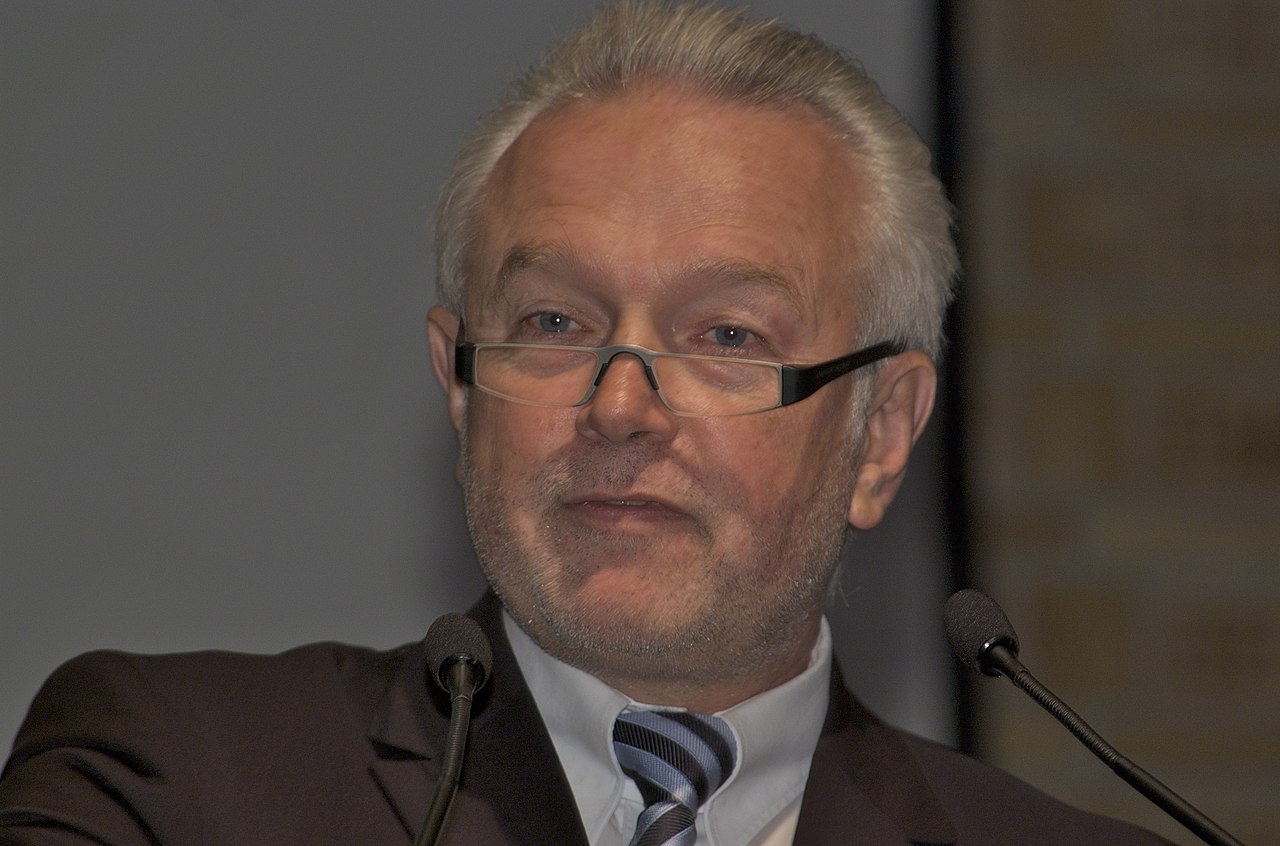
At a party congress on May 30, FDP delegates elected Wolfgang Kubicki as the new party chairman. Kubicki, 74, is a Schleswig-Holstein politician with a career built on combative parliamentary debate and courtroom confrontation. He took 59.3% of the vote on the first ballot.
His message on the AfD was immediate and explicit. "I know of no firewall," Kubicki said, invoking the German political term — Brandmauer — for the informal pledge among mainstream parties to refuse any parliamentary cooperation with the far-right AfD. The party's general secretary reinforced the position, calling for an end to what he described as the "parliamentary ostracism" of the AfD.
Not all FDP members were comfortable with the direction. The party's more centrist voices warned that being seen as AfD-adjacent risks driving moderate voters further left rather than winning back lost support. But the leadership's position was clear.
The FDP was not moving in isolation. Die Familienunternehmer — an association representing around 6,500 family-owned businesses and a traditional FDP constituency — had already lifted its own informal ban on AfD contact in late 2025. Kubicki has now brought that logic inside the party machine itself.
The FDP's domestic shift carries a European dimension. The party is the German anchor of Renew Europe, the liberal grouping in the European Parliament that positions itself between the centre-right EPP and the Socialists and Democrats. Renew Europe has historically maintained a clear distance from nationalist and far-right factions.
That distance has already been tested at EU level. The EPP drew sustained criticism for advancing EU migration legislation with support from the AfD's European Parliament delegation — using far-right votes to pass centrist legislative priorities. A German FDP leadership now publicly rejecting the Brandmauer brings that same logic home to the national level.
Germany remains the EU's largest member state and carries substantial weight in the Council, in shaping the Commission's legislative agenda, and in setting the tone on fiscal rules, trade and defence spending. How its political parties define their relationship with the far right will shape the configuration of Europe's centre for years to come.
The Brandmauer was always more symbolic than structural — a political agreement not to make AfD votes count, not a constitutional barrier. With Kubicki at the helm and the party's leadership now openly rejecting it, that agreement has its first public breach at a major party leadership level. Whether the FDP recovers its electoral footing through this strategy or accelerates its own decline depends on what remains of its voter base. Either way, the centre of German — and European — politics has shifted.


