The European Commission has signed off on one of the largest green subsidy packages in its history: a €63 billion French scheme to bankroll a fleet of offshore wind farms over the next quarter-century. Approved on 14 July, it is the biggest state-aid measure yet cleared under the EU's new Clean Industrial Deal rulebook.
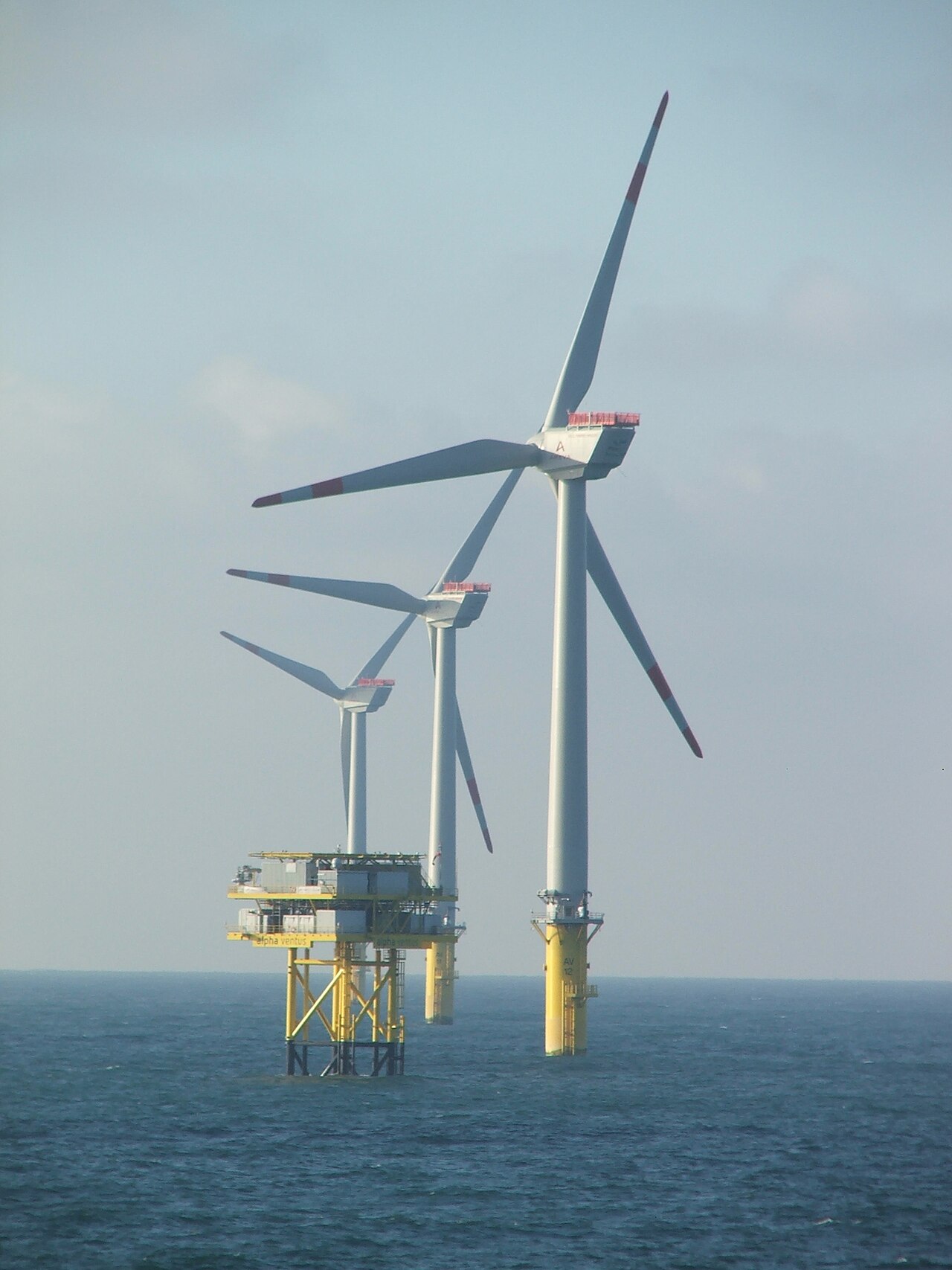
The scheme will support the construction and operation of eleven offshore wind farms spread across France's three coastlines, in the North Sea, the Atlantic and the Mediterranean. Together they are expected to reach up to 11.1 gigawatts of capacity and produce as much as 47.8 terawatt-hours of electricity a year. That is around 10.6% of everything France consumes, a meaningful chunk of supply from projects that do not yet exist.
France notified the plan to Brussels under the Clean Industrial Deal State Aid Framework, or CISAF, the fast-track regime the Commission adopted in June 2025 to let member states pour money into decarbonisation and clean industry without falling foul of EU competition law.
The money will flow through a mechanism designed to protect taxpayers when power prices are high. Developers will be chosen through competitive auctions and paid via a two-way contract-for-difference: each bidder names a reference price, and when the market price for electricity falls below it, the state tops up the difference. When the market price climbs above the reference level, the developer pays the difference back to the French treasury.
The Commission found the scheme necessary, appropriate and proportionate, and consistent with Article 107(3)(c) of the EU treaties. For three of the eleven farms, the new package replaces an earlier support scheme approved in August 2025.
France has been a laggard in offshore wind. Its first commercial farms only came online between 2022 and 2024, years behind Britain and Germany, and the country has leaned heavily on nuclear power for its low-carbon electricity. A €63bn commitment signals an attempt to close that gap fast.
The approval also shows the CISAF framework working as intended, and at scale. Brussels has spent the past two years trying to answer American and Chinese subsidies with a looser state-aid regime of its own. Clearing a package this size, this quickly, is the clearest sign yet that the Clean Industrial Deal is moving from slogan to spending.
The headline figure is enormous, but the real story is the model. A two-way contract-for-difference means the €63bn is a ceiling, not a cheque: if power prices stay high, France could claw much of it back. That is the template the EU increasingly favours, subsidies that share risk rather than simply hand out cash. Whether it delivers turbines in the water on schedule is another question. France's offshore record so far suggests the money is the easy part; permitting, grid connections and local opposition are what have slowed everyone else.